
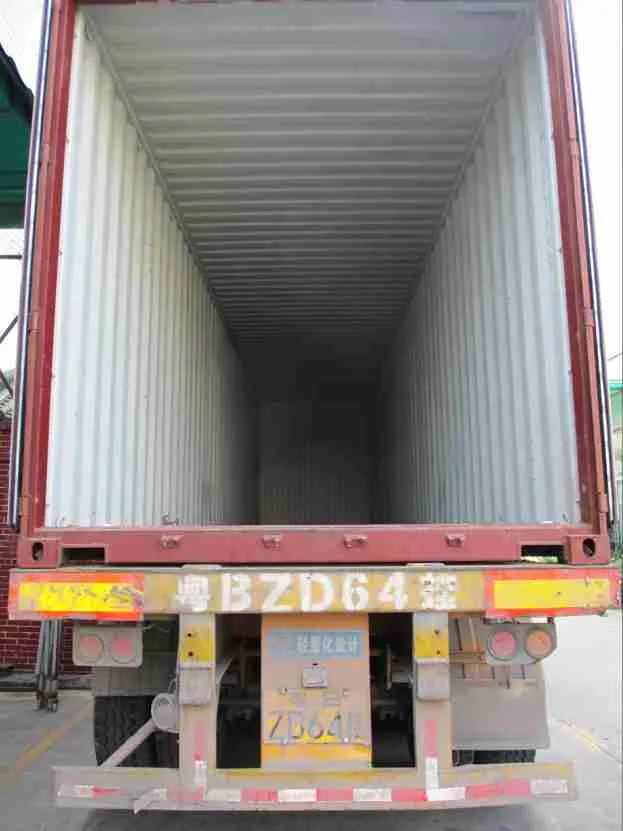
How to load a container efficiently is a key question for factory and logistics managers. However, the true impact of the loading method often only becomes apparent when the customer unloads the goods. The chosen method influences not just loading efficiency but the entire supply chain’s smooth operation.
Two Fundamentally Different Approaches
For factories and clients, loading methods represent different priorities. Factories aim to load everything into the container as quickly as possible, while clients want easy unloading and accurate verification of goods against the packing list.
On the surface, hand loading and pallet loading seem like mere methodological differences. In reality, they significantly impact overall supply chain efficiency and cost.
Detailed Comparative Analysis
| Aspect | Hand Loading | Pallet Loading |
| Loading Time (40’HQ) | 1-3 hours (depends on items) | ~1 hour |
| Unloading Time (40’HQ) | 2-6 hours | 1-2 hours |
| Loading Cost | Lower | Higher (depends on pallet type) |
| Estimated Volume (40’HQ) | ~68 CBM | ~57 CBM |
| Primary Advantage | More goods inside the container | Saves time & labor at warehouse |
| Cargo Safety | Higher risk of shifting & damage | Goods secured, less transit damage |
| Ideal For | Low-value, non-fragile, irregular items | High-value, fragile, standardized products |
| Equipment Requirements | Manual labor, no special equipment | Requires forklifts & handling equipment |
| Inventory Management | Difficult to standardize | Facilitates standardization & counting |
In-Depth Analysis of Pros and Cons
Hand Loading: Advantages and Limitations
The biggest advantage of hand loading is maximizing container space utilization, achieving around 68 CBM – nearly 20% more than pallet loading. For low-value, high-volume goods, this means shipping more items per container, significantly reducing the per-unit shipping cost.
However, this method is inefficient at the unloading end, taking 2-6 hours, and often leads to cargo shifting and damage during transit. It also relies heavily on manual labor, an advantage that is diminishing as labor costs rise globally.
Pallet Loading: The Value Proposition
Although pallet loading sacrifices approximately 11 CBM of space, it offers substantial efficiency gains:
- Dramatically improved loading/unloading efficiency: Loading time reduced to ~1 hour; unloading takes only 1-2 hours.
- Reduced cargo damage: Goods are secured on pallets, making them safer during transit.
- Lower labor costs: Reduces dependence on large numbers of stevedores.
- Enhanced supply chain transparency: Facilitates standardized management and tracking.
How to Choose the Right Loading Method
The key is balancing product value with logistics efficiency. Consider the following:
- Product Characteristics: High-value, fragile, or goods needing rapid shelf-replenishment are better suited for pallet loading.
- Evaluate Total Cost: Consider not just loading costs, but also unloading costs, potential damage, and time costs.
- Analyze Destination Conditions: Hand loading might be more practical if the destination lacks equipment like forklifts.
- Consider Shipping Frequency: For high-frequency shipments, the standardization of pallet loading offers long-term benefits.
Considerations in the Current Shipping Climate
With sea freight rates experiencing significant volatility, more clients are re-evaluating their loading methods. While maximizing container space seems highly attractive amidst high freight costs, savvy decision-makers take a holistic view of total supply chain costs. This includes destination unloading fees, time costs, potential cargo damage, and inventory turnover efficiency.
In some scenarios, sacrificing some container space for more efficient logistics operations can be the more economical choice. This is particularly true in regions facing labor shortages and rising wage costs, where palletization demonstrates its long-term value.
Conclusion
There is no absolute “better” option between hand loading and pallet loading – only what is most suitable. Businesses should select the optimal method based on their product characteristics, supply chain structure, and cost composition. In today’s complex and volatile global trade environment, flexibly adjusting logistics strategies to find the best balance between cost and efficiency is key to maintaining a competitive edge.
Which loading method is more suitable for your goods? Making the right choice for your business requires a comprehensive analysis of your product value, supply chain specifics, and customer needs.