With today’s competitive bedding market, it is no longer a choice but an obligation to provide a bed that offers more than just its looks. Consumers are increasingly searching for sleep solutions that embrace style, durability, and above all, comfort. This certainly pertains to perfect fitting provisions in a bed set design aspects such as headrest angles, lumbar support, and pressure distribution all directly pointing at customer satisfaction and subsequent behavior towards buying the same product once again. Thus, the companies could gain customer loyalty by producing good looking beds with some science for comfort. A bed surpasses furniture; it becomes a choice for a particular life with both physical needs and emotional expectations satisfied. This article explores how ergonomics in upholstery beds, lift-up storage beds, and iron beds, as well as practical designs like trundle beds, can enhance user experience, support care facilities, and drive purchasing decisions.

Ergonomic Design: The Core of Comfort in Bed Sets
Comfort is not about softness; it’s about the alignment of the body naturally while sleeping or resting. It is in optimum body support that ergonomic beds are zeroing in on to reduce strain, promote a qualitative sleeping pattern, and enhance satisfaction levels. It is after having this kind of comfort that customers tend to show loyalty and make repetitive purchases, recommending such a product to friends and family, based on trust and credibility. Moreover, other unique selling points include the fact that more bed models with ergonomic features will be able to accommodate more body types and sleeping preferences of individuals, thereby making such beds quite versatile and suitable for every household.
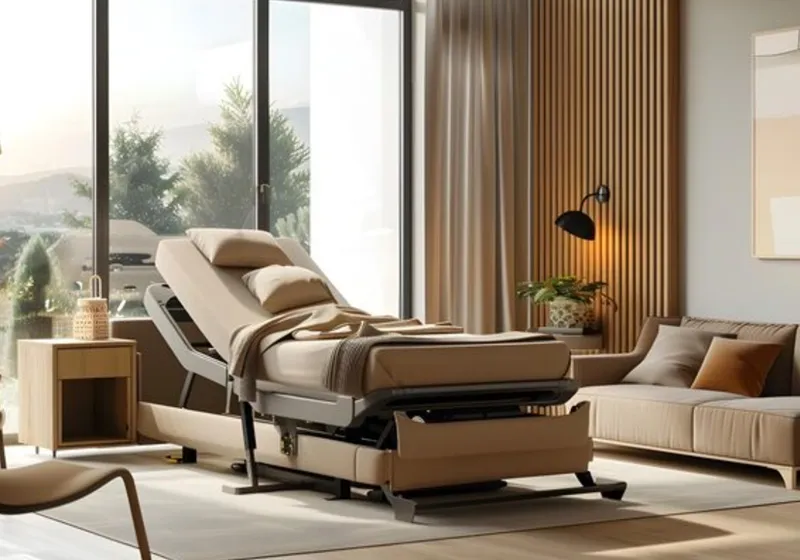
Headrest Angle and Adjustable Support
One of the most crucial factors in an ergonomic bed design is the headrest or backrest incline. The beds capable of a slight incline-usually between 20° to 45°-provide essential added benefits. A headrest that is correctly inclined minimizes tension in the neck, makes breathing easier, and is very beneficial for those with respiratory problems or elderly users who spend more time sitting in bed. Adjustable headrests also increase usability for reading, watching television, or comfortable use of mobile devices without causing undue tension in the neck and shoulders.
Lumbar and Spine Support
More important than the headrest is the lumbar support. Contoured beds designed with ergonomics in mind distribute the weight evenly down the spine, reducing painful pressure points and preventing chronic back pain from occurring. Testing data from soft upholstery beds indicates a marked difference in pressure distribution: peak pressures, especially around the hips and shoulders, are much reduced, thus allowing far better, more restorative sleep. The foregoing feature is of particular and special concern to any person who has chronic problems in the back or who has been confined for longer periods in bed, having a direct impact on long-term spinal health.
Benefits for Care Facilities
Ergonomic bed design is not only made for the home; it is just as relevant in nursing homes and assisted living facilities. For instance, these adjustable beds, lift-up storage beds, and iron rent beds can be positioned by the caregivers as they feel appropriate concerning comfort and attention to the guests. The fact that the beds use movable and accessible mechanisms dramatically improves the transfer process, reduces strain for staff, and enhances safety and dignity for residents. Daily caregiving tasks are thus performed much more efficiently, ensuring that comfort and support are provided to residents night and day.
The Advantages of Lift-Up Storage Beds in Daily Life
The aforementioned quality of lift-up storage beds seamlessly blends comfort with practicality. Hence, they abound in modern households. Their designs allow easy access to storage underneath the mattress, thus avoiding clutter but retaining the ergonomic essentials. They appeal equally to families in compact urban homes or to families considering organization and greater ease of everyday life.
Storage Accessibility and User Convenience
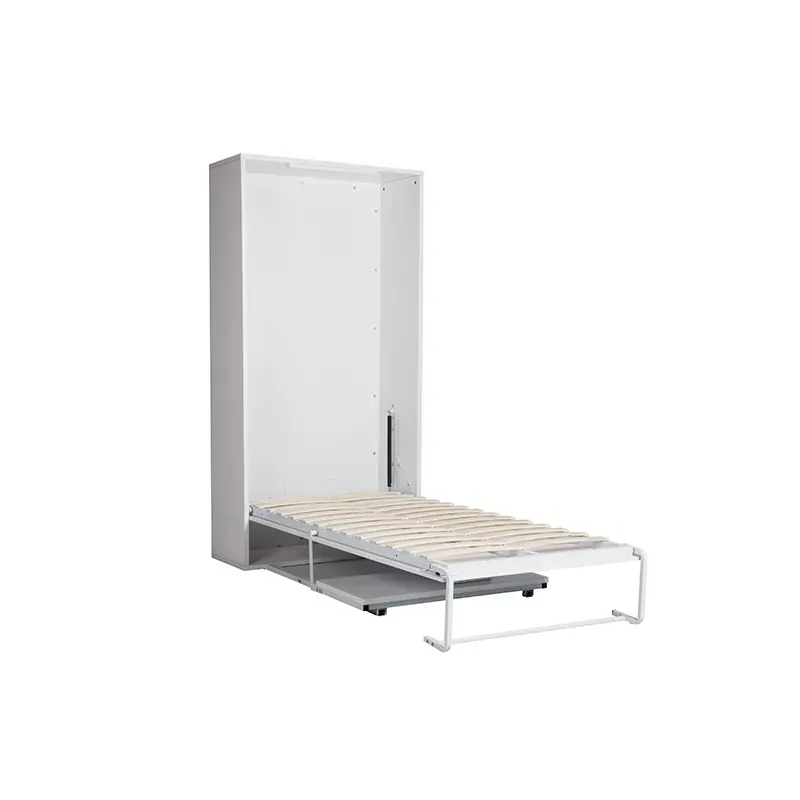
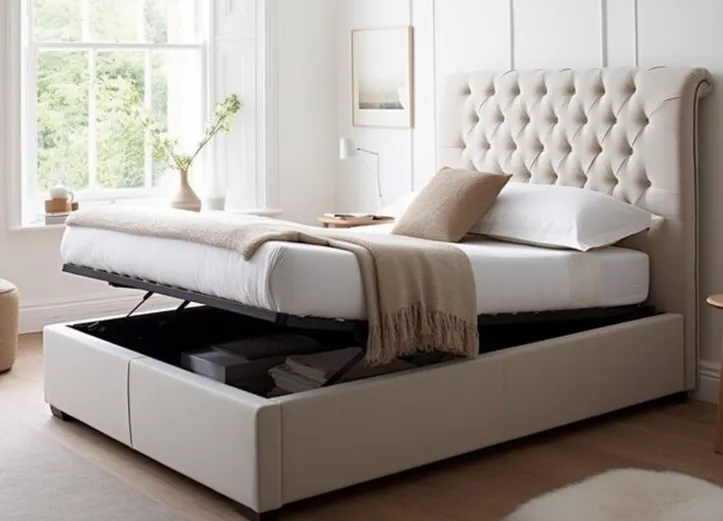
A lift-up storage bed provides easy access to the items stored beneath, which is actually priceless in the case of small spaces or apartments. Equipped with gas-lift mechanisms or hydraulic systems, lifting this mattress requires little effort, so seniors or caregivers can retrieve items without the risk of injury. Combining practicality and comfort, a lift-up storage bed should be a very well-thought investment for long-term use at home, offering the possibility of convenience while being worry-free. Discover more about our ergonomically designed, mobile nursing beds with innovative storage features—watch the full demo and visit JULEI HARDWARE focus on bed frames, murphy beds, adjustable beds, folding beds and upholstery beds.
Pressure Distribution and Sleep Quality
Lift-up storage beds do not compromise on ergonomics either. The good designs have mattresses which keep the pressure distribution even while offering all sorts of storage flexibility. Comparing conventional beds to those with the lift-up storage mechanism, pressure maps indicate similar or even better support in soft beds, proving that practicality doesn’t come at the cost of comfort. The integration of ergonomic mattresses ensures that every night provides restorative sleep-even in beds with innovative storage mechanisms.
Enhancing Customer Loyalty Through Practical Comfort
Ergonomically shapes and accommodates intelligent storage solutions, it also takes care of all functional and emotional aspects of users. Better sleep, more organisation in the home-all these go a long way towards nurturing the emotional attachment that a user experiences with a product and so encouraging repeat purchases and suggestions to friends or family. Soon enough, these beds become richly integrated into the routine of the consumer and thus create an environment for the building of trust and advocacy in the brand.
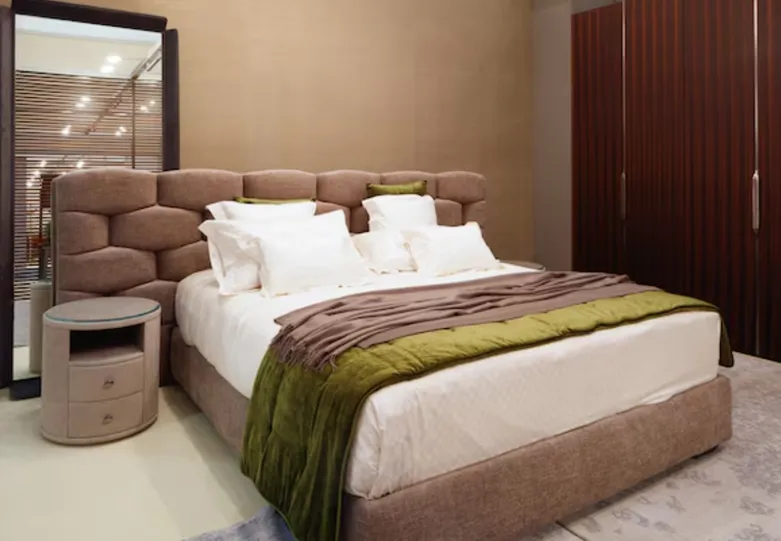
Iron Beds and Trundle Beds: Durability Meets Ergonomics
Iron beds and trundle beds are often selected for their solidity, stability, and classic design features. Applying the principles of ergonomics in the design of these bed types ensures a balance between comfort expected in the present day and the desire of users for longevity and functionality in furniture.
Trundle Beds for Space Efficiency
Trundle beds are extra-functional, especially in shared rooms or guest accommodations. The pull-out design enables additional sleeping space without requiring extra floor space. Ergonomically, the thickness of the mattress and support has to allow for the main bed and trundle bed to match in comfort for the users. Such beds prove to be very handy in houses with children, guest rooms, or multifunctional spaces where flexibility and comfort should meet perfectly.
Iron Bed Frames and Ergonomic Stability
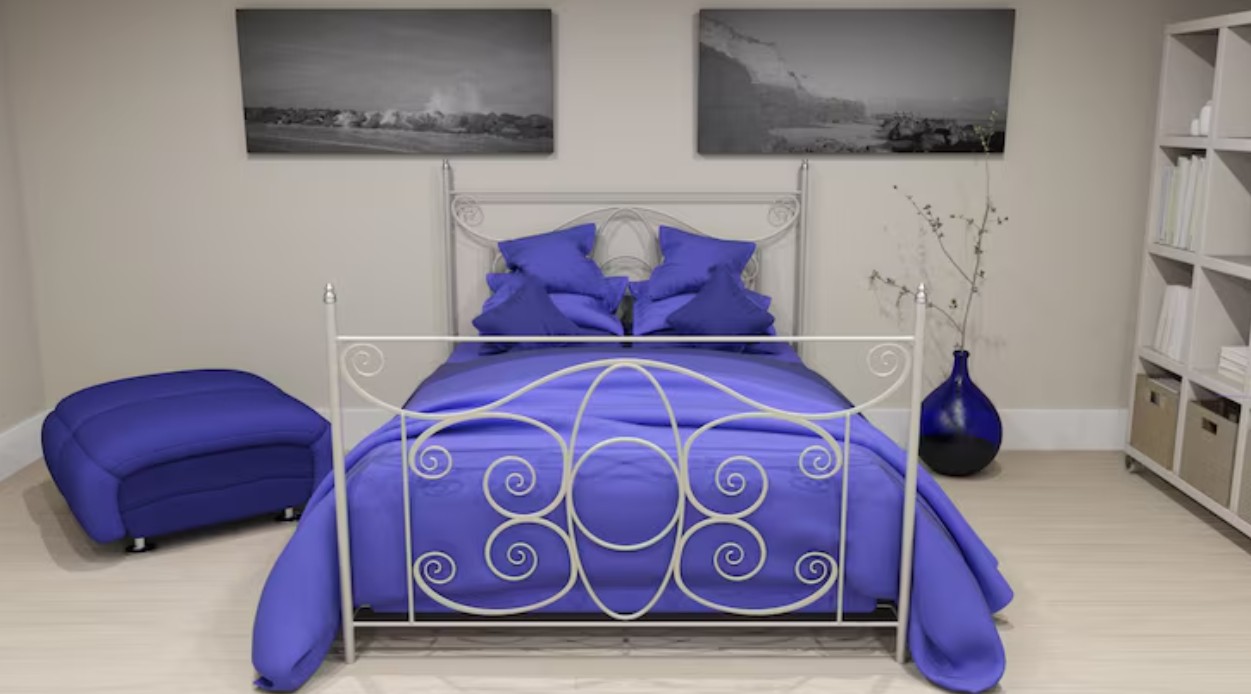
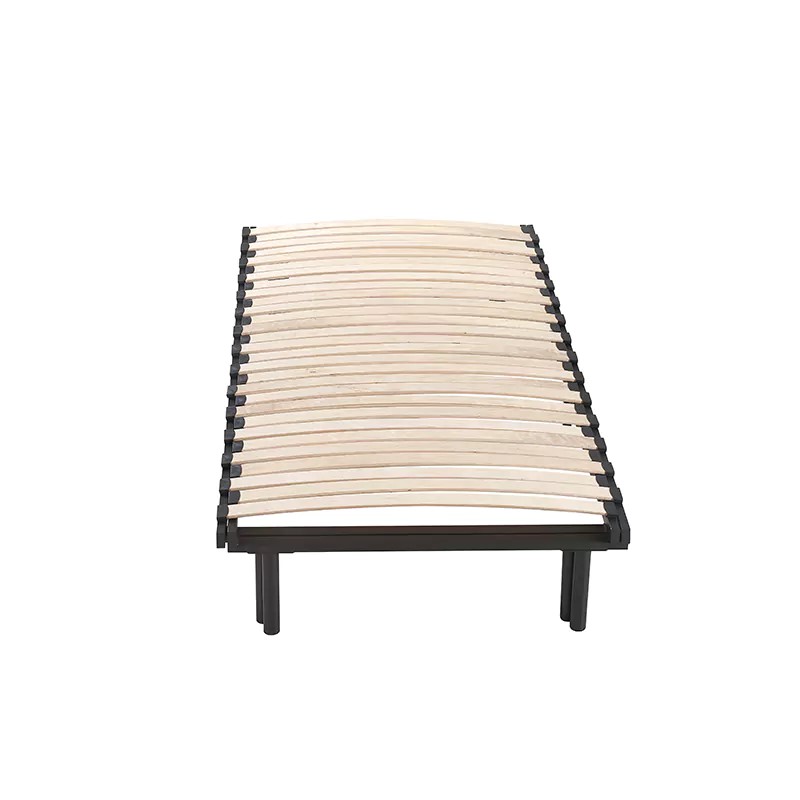
The Iron bed frames structurally support the bed, providing the main foundation for ergonomic support. The frame itself, too, keeps the mattress from sagging, which keeps the spine in its natural alignment. Ergonomic Iron beds are equipped with slightly elevated headrest designs or other modified slats that extend lumbar support while not compromising on the structural strength and visual beauty associated with traditional iron frames.
Care Facility Applications
Lift-up storage beds and iron trundle beds have many advantages for an institutional setup. Positioning of the adjustable iron beds makes mattress incline adjustment easy for the caregiver to a place which facilitates medical care but is comfortable for the resident. At times when guests visit or accommodation is needed, trundle beds can be introduced without any ergonomic disadvantage. Such practical bed designs will improve operational efficiency while maintaining a high level of resident benefit.
Measuring Comfort: Soft Bed Pressure Distribution
Empirical data strengthens this case for ergonomic design. Pressure distribution testing on soft upholstery beds really communicates the virtues of modern mattress engineering and gives the customer a clear understanding of what are the real benefits of buying good sleep systems.
How Pressure Mapping Works
Pressure mapping employs sensors for visualization of how weight is distributed throughout the surface of the mattress. Naturally, areas of high pressure, normally occurring sites around the hips and shoulders, indicate regions where discomfort would be likely. An ergonomic mattress is designed to distribute pressure evenly so that no areas experience peaks that disrupt sleep. This measurable, replicable science ensures a comfort space, not merely subjective but credible for every person.
Comparing Traditional vs. Ergonomic Beds
Data comparison between conventional beds and ergonomic soft beds shows significant differences. Traditional beds often have concentrated pressure zones, while in an ergonomic bed, the weight is distributed more equitably. It works directly on customer satisfaction: users report fewer aches and improved sleep quality, which has a positive relationship with their likeliness to repurchase and to give positive reviews about the product. Long-term comfort thus acts as a strong motivator for repeat purchases and for its advocacy.
Encouraging Engagement Through Visuals
Visuals for Engagement Pressure distribution maps are just some of the visual aids that help to make tangible benefits of ergonomic features more understandable for the customer, which builds confidence in the purchase decision. Lucid demonstrations of these advantages can further convince potential buyers and overcome hesitation in the process of the purchase journey.
Conclusion
Among all, the ergonomically designed beds, including lift-up storage beds, iron beds, and trundle beds, helpfully contribute to enhancing comfort, supporting health, and improving daily convenience. Every design element, right from adjustable headrests to lumbar support, helps contribute toward a superior sleep experience that the customer instantly recognizes and values. These beds provide practical benefits to care facilities and elderly users with regard to convenience, ease of movement, and flexibility, giving consideration for safety and comfort within an institutional setting. Empirical evidences, such as pressure distribution tests, further enforce these benefits, making it clear that comfort is measurable in impact. By integrating ergonomic design into aesthetics and functionality, manufacturers of beds can increase customer satisfaction and retention, ultimately driving long-term sales. For more ergonomic bed sets, lift-up storage beds, and iron trundle beds considering comfort and practicality, view the full range of our products: Bed – Juyu Bed Frame.