في سوق الأثاث اليوم, لم تعد الاستدامة مجرد جنون بل أصبحت ضرورة. من سلاسل الفنادق إلى شركات التصميم الداخلي, B2B clients become more and more demanding about receiving a product that could answer both comfort and aesthetic purposes, as well as environmental standards. Eco-friendly fabric bed frames و leather beds stand at the forefront of such a change, placing modern design and responsible production together. As sustainability increasingly tugs on the interest of end consumers, businesses embedding green practices into their product lines with fabric beds, soft beds, و contemporary beds will see improved brand loyalty, an enhanced market reputation, and long-term benefits.
Understanding the Rising Demand for Eco-Friendly Beds
The global furniture industry is shifting toward very important strategies of making decisions based on environmental responsibility. Soft beds that suit their sustainability policies and accountability against the environmental factors are already a quest for B2B clients. It is essential to know such tendencies if any business wants to stay competitive and satisfy customer and consumer demands in their own way and with what they can.
The Shift Toward Sustainable Materials
This awareness has also impacted every purchasing decision sector, with the exception of furniture. على سبيل المثال, B2B customers would prefer soft-headed beds made from recyclable fabric or leather tanned sustainably. Most of the modern fabric beds are manufactured from recycled polyester, organic cotton, or linen from responsible sources employing low environmental impact without sacrificing comfort or durability. على نفس المنوال, eco-friendly leather beds are made up of varnished using vegetable and have no harmful chemical treatment. The materials, لذلك, reduce waste and further prove a company’s concern about responsible sourcing, a key factor in corporate buyers’ decision making.
Certifications and Industry Standards
Sustainability does not mean simply the use of “green” مواد; the entire concept relates to some universally accepted environmental standards. B2B customers search for fabric bed frames and soft beds with certifications such as OEKO-TEX, FSC-certified wood, or ISO 14001 environmental management. It is these certifications that will attest to the fact that the materials a bed is made of, as well as all processes applied to it, really comply with strict environmental standards. Having certification in a marketing tool or product documentation is an excellent way of helping a business persuade wholesalers and end users on the authenticity and eco-credentials of a product.
Consumer Awareness and Demand
While B2B buyers pay attention to compliance and efficiency, consumers continuously move the market towards sustainability. These are the eco-conscious buyers in search of a modern bed that speaks of their value. From minimalist fabric modern beds to luxe leather modern beds, for the green label is one of the main differentiators in a purchase decision. So businesses advertising sustainable features like recyclable material, low-emission production, or a non-toxic finish can tap into this growing segment of environmentally conscious consumers and also create the reputation of being a responsible furniture provider.
Marketing “Green” Beds to the End Consumer
It’s most effective marketing that will communicate this eco-friendly benefit to both the B2B and end consumers of soft beds. Campaigns will be crafted with effective messaging, and products will be placed in scenarios that make them accessible to the companies in turning their sustainable furniture from a technical feature into a stylish option for living.
Highlighting Sustainability in Design
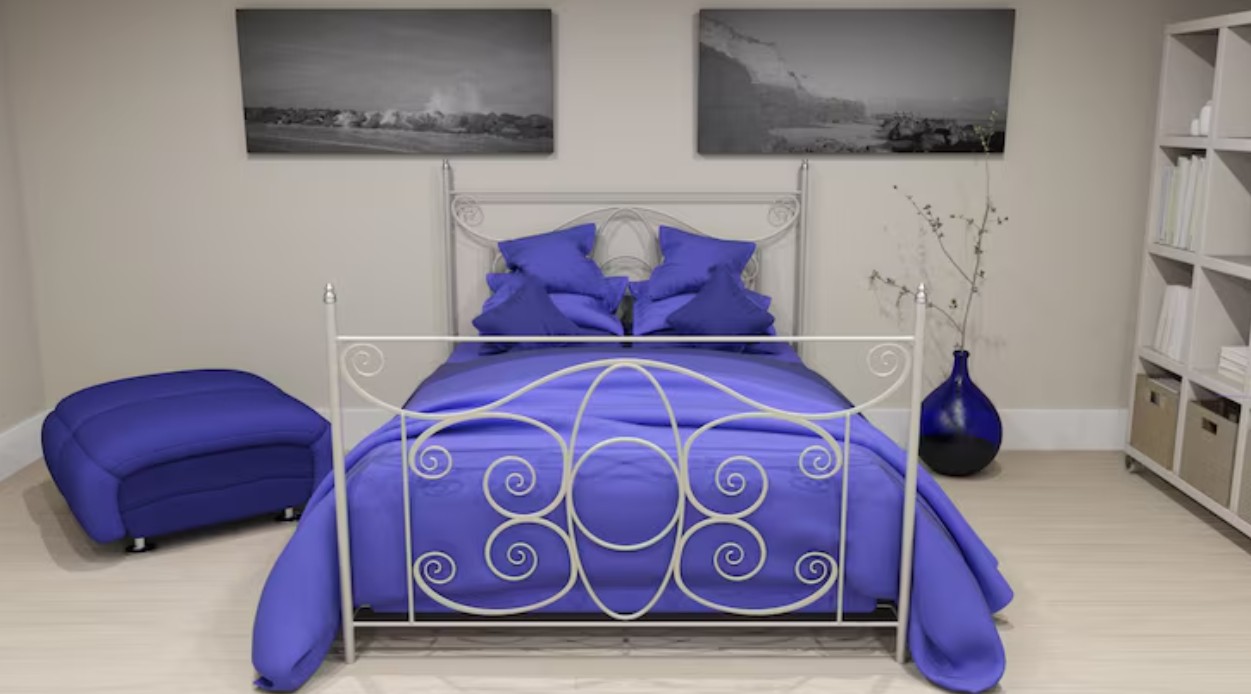
The main concern is that modern design should go hand in hand with ecological responsibility when selling the steals of eco-friendly soft beds. Clean lines in natural texture finishes and a stunning overall look are what consumers fancy in today’s modern beds. So using these eco-friendly materials is not compromised by this belief, as it raises a fabric bed frame made from sustainable fabrics such as organic linen or recycled polyester with vegetable-tanned leather-covers to give a product a more organic or luxurious finish. Demonstrating such capabilities via high-quality product images or lifestyle videos stirs emotions in prospective customers.
Leveraging Digital Channels
Digital marketing empowers green furniture. From comprehensive product pages and social media campaigns, including even video demonstrations, effectively communicating the sustainable benefits of a fabric bed is a possibility. على سبيل المثال, embedding videos of soft beds going through durability tests and usage without noise increases the touchpoint for comfort and quality both, further reinforcing this perception of long-lasting, eco-conscious products. Again, linking directly to pages related to environmental certifications and sourcing of materials improves transparency-an issue that is especially dear to the hearts of modern consumers who believe in authenticity.
Storytelling and Brand Messaging
A powerful brand story of sustainability seals the consumer’s trust. In the case of leather beds and fabric beds, responsibly sourced materials, low-carbon production processes, and recycling possibilities will convert one soft bed into not just another but perhaps a symbol of responsible living. This has to be woven into the overall story-tell-their-marketing collateral, website content, and showroom displays in such a manner as to generate interest from the eco-sensitive buyer and engender brand loyalty and long-term advocacy.
Balancing Cost and Long-Term Brand Value
B2B end-users have the added pressure of justifying the ‘green’ purchases not only in terms of sustainability benefits but also financial justification. Understanding the right mix of cost, quality and brand positioning will enable business leaders to make decisions that satisfy both immediate budgetary needs and long-term growth strategies.
Cost Considerations for B2B Clients
Higher upfront costs may be associated with adopting sustainable materials for fabric bed frames or leather beds. Recycled fabrics, certified wood, and vegetable-tanned leather are generally more expensive than conventional ones. It’s here that the B2B buyer will have to weigh these costs against the long-term benefit by considering things such as product life, متانة, and brand positioning. Generally speaking, high-end, eco-friendly soft beds are outperforming traditional ones with time because of lower total costs of ownership driven by reduced maintenance costs and durability.
Building Long-Term Brand Equity
Aside from cost aspects, green bedding promotes the brand equity of the company. Proof of sustainable commitment draws partnerships with eco-sensitive retailers and might heighten the attractiveness to corporate clients wanting green alternatives for hospitality. In this sense, hotels and resorts could use marketing campaigns promoting the fact that they have placed contemporary beds in guest rooms made from recyclable fabrics or leather which is responsibly sourced-thus, sending signals about how this establishment is not only environmentally conscious but socially responsible too. Over time, this enhances consumer trust, thus establishing a reputation of theirs based on quality and ethical business practices.
Strategic Positioning in Competitive Markets
“Eco-friendly Fabric Bed and Leather Bed”, في أثناء, continue to provide a competitive advantage in highly saturated markets. It is sustainability that differentiates products and thus justifies premium pricing and appeals to specific niche customer groups. Aesthetic appeal is of essence; لكن, as a B2B client, one may position oneself as leading in the sustainable furniture segment by demonstrating environmental responsibility that appeals not only to the retailer but also to the environmentally sensitive end consumer.
Integrating Multimedia for Enhanced Engagement
It is very important to visually communicate the benefits of eco-friendly soft beds. Images, أشرطة الفيديو, and interaction media will inherently make B2B clients and C-end consumers more intuitively understand the quality of the product, مواد, and sustainability initiatives, thus increasing engagement and confidence in making a purchase.
Videos Demonstrating Quality and Sustainability
Soft portrayal of comforts being subjected to noise reduction tests or stress tests and a demonstration of their durability would assure B2B clients of the product’s comfortability. Subsequently, a series of brief shots emphasizing the green aspects of the materials making bed frames, such as recycled materials or less impact production processes, might make the feel of complex sustainability attributes more real and easier to understand.
Product Galleries and Lifestyle Images
High-quality pictures of kind-of-finish fabric beds and leather beds found in a versatile contemporary setting can inspire even end clients while visually reasserting B2B buyers on style and functionality. Lifestyle images, in their essence, depict its being in light-inviting bedrooms or hotel suites, emphasizing the design-sustainability combination. It then closes a gap between eco-friendly features and real-world allure when accompanied by informative captions and embedded videos, making up a powerful marketing tool.
Linking to Certification and Informational Pages
Clickable certification pages or material sources can also increase trust. Examples range from a video or infographic that clearly shows how recycled fabrics go through all steps in the journey from recycling through production to becoming soft beds-all while educating viewers and showcasing a company’s commitment to the planet in the process. The reward is generalized acceptance among B2B clients and end consumers alike regarding transparency that can turn into a stronger purchase intent and long-lasting brand loyalty.
خاتمة
The need of the hour or a change trend is the eco-friendly fabric bed frames and leather beds in the market today—not to mention their strategic investment in quality, consumption, and eco-hub. Sustainable combinations, certified processes, and contemporary design enable companies to make a demand for soft beds targeted at B2B and end-consumer audiences. High quality image and video marketing with storytelling to create awareness communicates the green message while also sustaining long-term brand value. For businesses looking to explore a wide range of eco-friendly bedding solutions, including fabric beds and leather beds, you can visit our comprehensive collection here: سرير تنجيد – إطار سرير جويو.