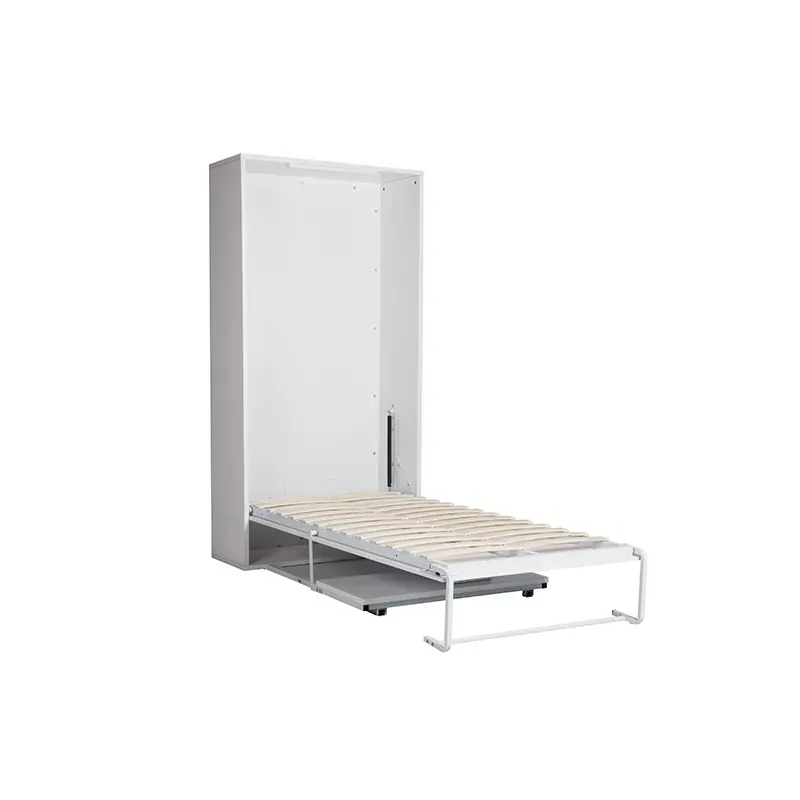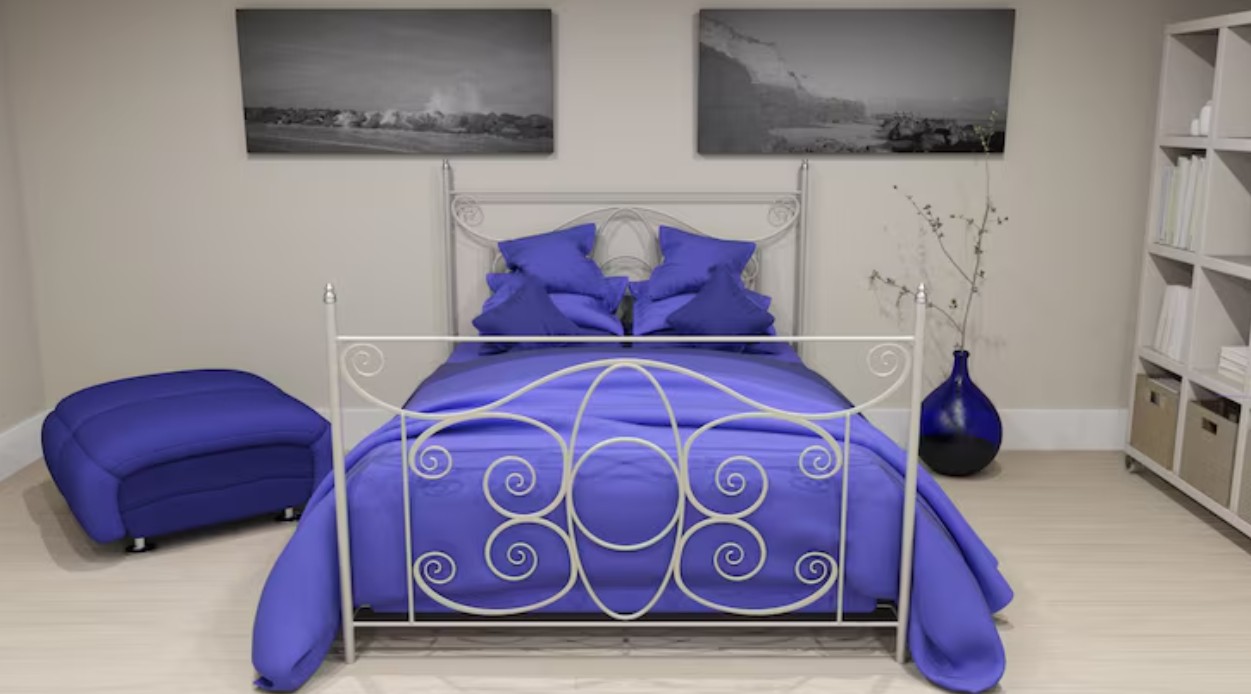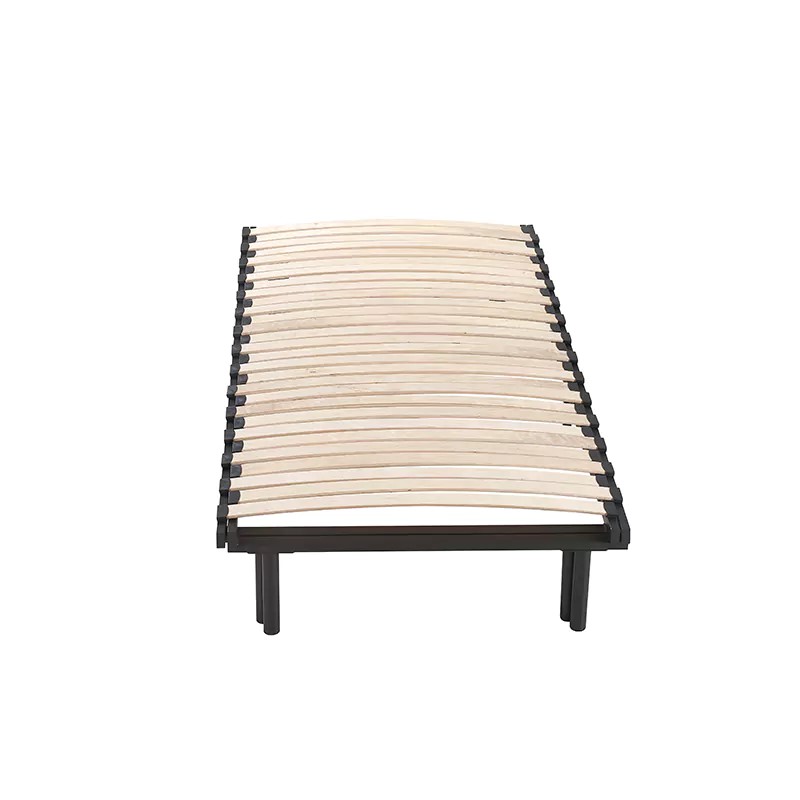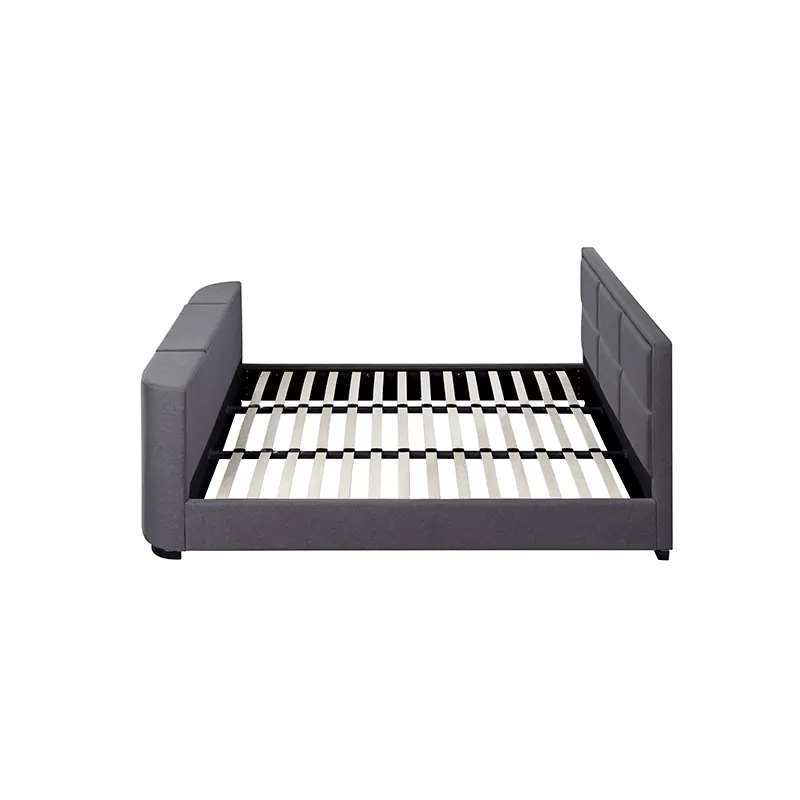
Desde que la tecnología del hogar inteligente comenzó a modernizar la forma de vida, bedroom furniture that primarily consists of electric bed frames, marcos de cama de acero, cabeceros tapizados, y fabric headboards has undergone a revolutionary design overhaul. Los colchones podrían fabricarse durante los años más decentes, pero no pasará nada. 2025, por decirlo así, con diseños tradicionales dando paso a inteligentes, multifaceted, and eco-sustainable solutions. Emerging trends will be keenly watched over by manufacturers as well as B2B buyers intending to stay ahead in a fast-changing market where innovation, user comfort, and ecological responsibleness are turning into determining factors. This article analyzes the salient trends in the landscape of electric bed frame designs forged upon steel bed frames; innovatively upholstered headboards and fabric headboards with information and market predictions that would enable brands and suppliers to cash into high-intent search traffic to be B2B influencers way before the year 2025.
Intelligent Electric Bed Frames: The Standard for 2025
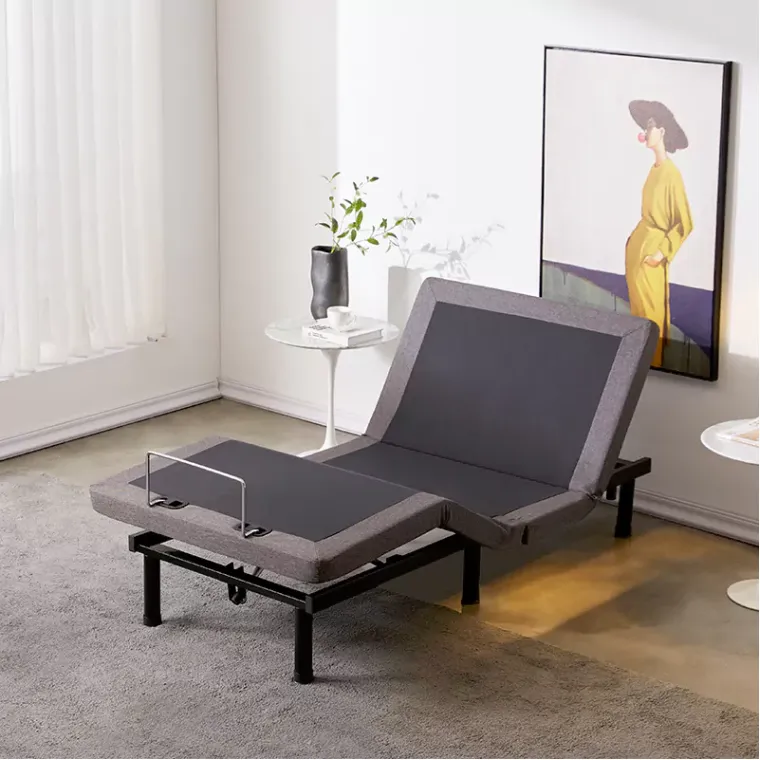
Smart home systems have shifted consumer expectations for bedroom furniture. Electric bed frames are no longer valued mainly for being adjustable but for the technologies they incorporate. Products that integrate convenience, health monitoring, and smooth digital integration are now preferred by buyers, particularly in B2B.
Integrated USB Ports and Wireless Controls
Modern electric bed frames are designed with USB ports for charging and wireless control systems to satisfy the requirements of a connected lifestyle. In-bed USB ports mean users can charge multiple devices-smartphones, tablets, wearable technology-without an adapter or the hassle of shady outlets. Al mismo tiempo, wireless controls via mobile apps and smart home systems allow for precision adjustment of bed positioning-enhancing convenience as well as creating a personalized sleep setting with users able to control the bed’s functions from afar; comfort soaked with user satisfaction in high-end residential and commercial installations.
Sensor-Enhanced Sleep Monitoring
Another major trend integrating sleep and health sensors into electric bed frames. The sensors can monitor heart rates, breathing patterns, and sleep cycles and graph data to users with some B2B situations being referred to hotel or health providers. Whenever paired with mobile applications or smart home ecosystems, these sensors can give real-time feedback regarding sleep quality. This technology turns the bed from one passive piece of furniture to that of an active partner in health and wellness, a factor strongly appealing to buyers looking for advance and data-driven solutions for bedroom offerings.
Enhanced Stability Through Steel Frame Construction
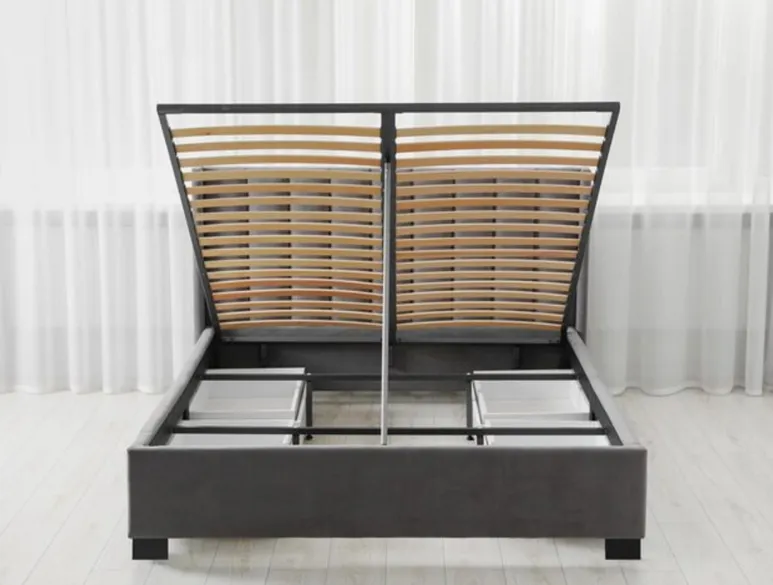
The durable steel bed frames are the favored bases supporting electric bed systems, alongside technology. Steel is far stronger in construction capacity as compared to timber and greatly reduced movement and noise during bed adjustment. Its high bearing capacity further ensures a stable bed that supports the mechanical components of an electric frame and its users. Also, steel construction can be treated with anti-corrosion coatings, thereby extending product lifecycle and making it a sustainable long-term investment for B2B buyers, requiring dependent reliability and low maintenance across hotels, serviced apartments, or healthcare facilities.
Upholstered and Fabric Headboards: Elevating Comfort and Aesthetics
While the bed frame is stressed for structural integrity and technological functionality, headboards are thought of as an interface of comfort for users and beauty for the eye in aesthetic design. Upholstered/ fabric headboards have become fundamental to aesthetics, comodidad, and branding differentiation.
Improving User Experience with Soft Comfort
The addition of soft upholstery to headboards makes them comfortable for sitting up in bed to read, trabajar, or just pass time. Unlike hard wooden or metal headboards, soft ones relieve pressure points while creating an inviting sleeping ambience. For a B2B buyer such as boutique hotels or premium residential developers, this means higher guest satisfaction resulting in stronger branding since the headboards, therefore, do not just provide functionality, but also make an interior design statement reinforcing the perceived quality of the entire room.
Design Versatility Through Fabric Choice
The fabric headboard, therefore, contains a vast array of design opportunities, starting from file classical textures to contemporary geometric patterns. With varying fabric choices, manufacturers and designers can cater to each model’s visual experience and tactile experience to serve various markets. Luxurious fabrics such as velvet or high-end woven textiles may be chosen by exclusive hotels, while sustainable projects may consider fabrics from recycled sources or made from natural fibers. Such a level of design versatility adds to the bed’s perceived value, thus becoming a critical tool of differentiation in a cut-throat B2B market.
Sustainable and Functional Textile Trends
Besides aesthetics, functional fabric properties propel the material innovation forward. Eco-conscious buyers are increasingly in favor of textiles that are sustainable, fácil de limpiar, and durable. Fabrics with anti-bacterial treatment, stain and fire-retardant are of utmost enticing application in commercial-oriented markets. B2B suppliers will have the upper hand in marketplaces governed by high environmental criteria and requirements owing to their commercial gain from using sustainable fabrics.
Modular Assembly: Streamlining Production and Logistics
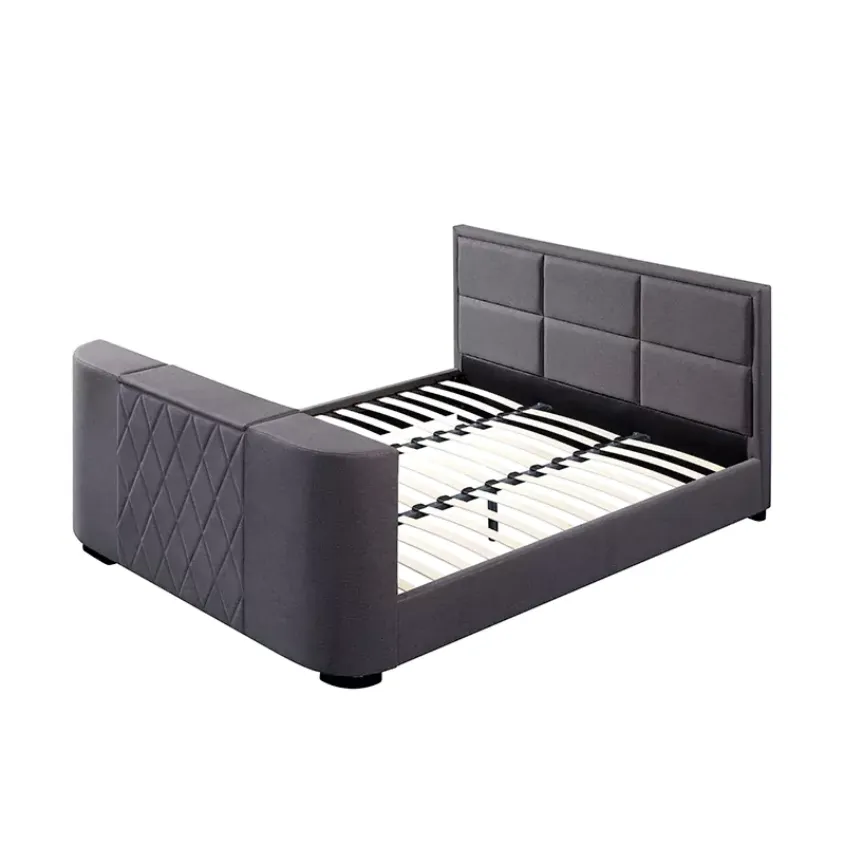
The ever-increasing complexity of electric bed frames and upholstered headboards has led to the increased use of modular design concepts that are beneficial for both the manufacturer and buyer. Modular systems provide easier assembly, improved logistics, and customization for various project demands.
Standardized Modules for Flexible Configurations
The concept of modular assembly means that certain components—such as bed frames, headboards, or electric control units—could be assembled as standardized units separately. This method makes it possible for B2B buyers to assemble bed systems as per their specific project needs regarding possible height, estilo, or technical features. Modular designs make maintenance and upgrades easier; low-risk production; shorter lead times in a few instances make it extremely viable when applied in conjunction with any supplier going after a large commercial order or international project.
Transport and Installation Efficiency
Transportations and installation costs are high with oversized bed components. The modular design continues to mitigate these more than any other factor. Flat-pack packing minimizes volume, optimizes container fill, and reduces damage while shipping. On the job site, assembly could not have been easier or more predictable, especially for hotel chains or multi-unit residential projects. Whereas such logistic efficiencies amount to ultimate savings and, thereby, augmented profit for suppliers and B2B clientele.
Enhancing Customization Capabilities
Both of these dimensions include the enormous set of product customization that does not necessarily stop at the logistics side. Choose fabrics, acabados, and electronic features without even losing the possibility of opening a new production run. It provides a high degree of flexibility to B2B suppliers whenever there are multiple client requirements in relation to branding and similar issues, which makes it possible for suppliers to address personal solutions and continue to be financially feasible.
Recyclable Packaging and Sustainable Manufacturing Practices
Green considerations are trending in B2B procurement. There is a revamp in packaging systems and manufacturing processes toward minimizing the environmental effects and rising expectations of international buyers.
Eco-Friendly Packaging Solutions
Several manufacturers are replacing conventionally favored foam and plastic materials, but more importantly, recyclable and environmentally friendly packaging elements, with optimum size settings of packaging to use the least materials, improve handling efficiency, and share benefits with green supply chains. Sustainable packaging ventures corporate responsibility and compliance with international environmental standards to the B2B buyer, thus imbuing the purchasing philosophy and then shaping a true long-term partnership.
Sustainable Production Practices
With sustainability checked off, it extends to cover the production chain at large. To this end, the manufacturers have placed heavy reliance on low-VOC adhesives and coatings, acero reciclado, and sustainable fabrics in their bid to attain lowered impact on the global environment. The use of energy-efficient production machines decreases the carbon that manufacturing impacts externally and, hence, increases functional efficiency. Basing themselves upon sustainability, suppliers gain recognition as premium partners in the B2B space and make their products stand out on the truly competitive global market.
Compliance and Market Positioning
Manufacturing based on eco considerations will also assist forward companies in achieving regulatory compliance in certain parts of the world, especially the European and North American markets. It is easier for B2B buyers to partner with those suppliers who can provide proof of compliance with their sustainability criteria. Manufacturers can win environmentally conscious clients who control their decision-making while simultaneously offer beds featuring good design and performance and responsible manufacturing practices, providing advantages in winning larger contracts generally for hospitality and corporate projects.
Market Insights and Data-Driven Trends
Statista and some other international agencies for market research demonstrate that smart beds, electric bed frames, and upholstered headboards are witnessing strong growth in demands. Yearly, a marketing sweep of intelligent bed systems is engaging more audiences in commercial projects, upper-end residential developments, and the hospitality industries. Compared with 2020, by 2025, growth factors, including export volume and revenue for this niche, are expected to witness a significant upswing. The steady growth foresight calls for significant investments in technologically advanced, alta calidad, and sustainable bed products so that suppliers can capture market opportunities and meet the progressive expectations of buyers.
Early Adoption Strategy for 2025: SEO and B2B Visibility
Timing Content for Maximum Impact
Manufacturers and suppliers are encouraged to publish content about 2025 bed design trends at least three months in advance to gain traffic for early B2B planning. Buyers during the period of search may be looking into bed trends and product solutions on electric bed frames, marcos de cama de acero, cabeceros tapizados, and fabric headboards before placing their lucrative orders. Content placed early carries immense visibility and influence at this critical moment on the procurement calendar, giving it greater potential to be considered and to convert.
Optimized SEO Keywords
Natural uses of high-intent keywords in the titles, headers, and body content of articles would instantly grab traffic from searches. They’ve been achieving high-performing combinations such as “trends in electric bed frames 2025,” “modular steel bed frame solutions,” “upholstered headboard innovations,” y “sustainable fabric headboards.” This vocabulary would work in B2B terms and generate qualified leads by manufacturers when optimized in the contents’ context.
Conclusión
The future of bedding in 2025 would encompass technological functionality, modularity, and sustainable elements. Items such as electric bed frames, marcos de cama de acero, cabeceros tapizados, and fabric headboards no longer qualify as mere items of furniture. They represent assets within the changing B2B space. Manufacturers that align with advanced technology, modularity, and green practices will gain a competitive edge and thereby position themselves among the most innovative and sustainable merchants. Early adopters of strategies related to trends and determined content meet and engage with valuable B2B customers, leading to future sales and market share growth. Explore detailed product solutions and industry insights here: Cama – Marco de cama Juyu.