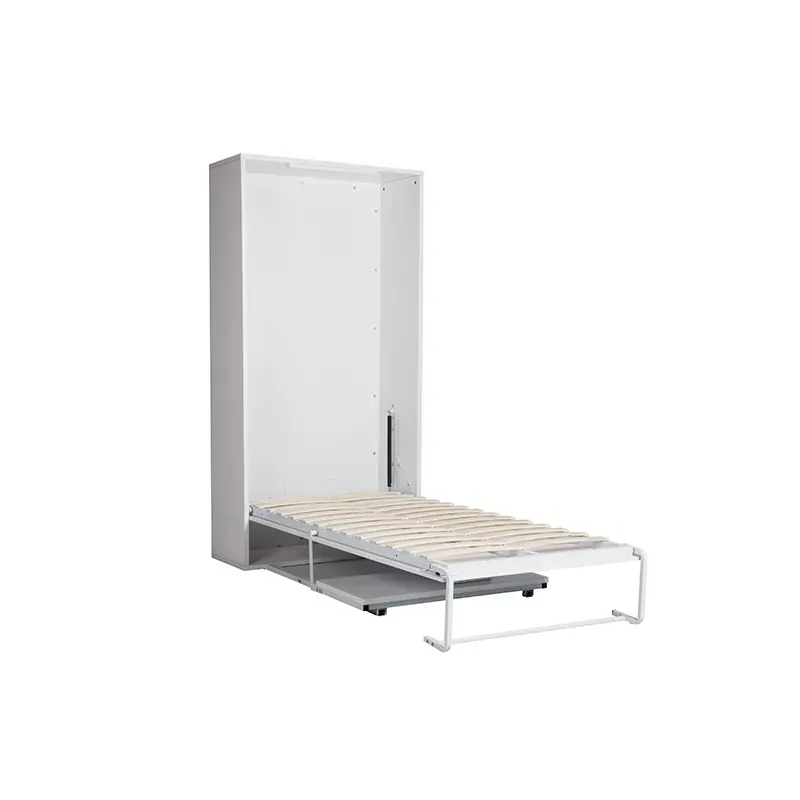
Folding beds used for commercial purposes are widely used in hotels, boarding houses, hospitales, emergency accommodation facilities, events places, and property management systems. As opposed to folding beds used at home, folding beds designed for commercial use are expected to withstand frequent actions of folding and unfolding, transportation, limpieza, and storage. For consumers, a commercial folding bed buying guide may become a good basis for assessing product quality and choosing appropriate products.
When buying such items, one should pay attention not only to prices per unit. Folding bed frame design, weight limit, mattress dimensions, folding mechanism, wheels, lock system, testing process, embalaje, and supplier’s support – all these issues may influence product performance in the future. This folding bed commercial buying guide will help you learn how to buy commercial folding beds.
Why a Commercial Folding Bed Buying Guide Matters
Commercially sold folding beds usually get bought in larger numbers and used more than once. In this regard, even the slightest disparity in materials or construction may turn into something substantial if many such beds are working at the same place.
Higher Frequency of Use
Commercial beds can be deployed and stored by housekeeping staff, facility employees or whoever else operates the equipment. Hoteles, hospitales, dorms can have additional beds that are used only when there is high occupancy. They can move the beds to other areas inside or outside of the room.
Ideally the product would be simple to use as well as rugged. Easy to deploy with little effort required to open. Sin embargo, the hinges, joints and locking mechanisms should hold up with use.
Better Space Utilization
The greatest advantage of folding beds is that it provides you extra sleeping space without requiring you to dedicate floor space permanently. Once folded up, these beds can be stored away in rooms dedicated to doing just that.
Following the folding bed commercial buying guide, you will want to measure the size of the product when it is open and when it is folded up. The measurements of the folded product will affect your warehouse, transportation, and space storage immediately.
Lower Long-Term Replacement Costs
Just because something is cheap to buy doesn’t mean it will be cheap to own, you know. Poor welding, cheap wheels, bad hinges, cheap locks , will end up costing more later, with maintenance that’s kind of annoying and replacement that comes too soon.
Considering the above commercial customers should take into account durability, maintenability, service life, availability of spares & manufacturers’ support when considering the initial quote.
Key Specifications in a Commercial Folding Bed Buying Guide
Procurement managers need to develop a technical specification before making contact with suppliers. This will enable various suppliers to provide their bids based on the same criteria.
Bed Size and Mattress Dimensions
Required surface for sleeping must be determined by how the product will be used. Total dimensions of bed and size of sleeping surface and mattress dimensions should be included.
If a mattress will be included in RFQ these details are needed: Espesor, Materiales, Density, Hardness, Cover. Mattress will have to be tightly secured to frame, yet allow for comfortable usage.
Frame Material and Construction
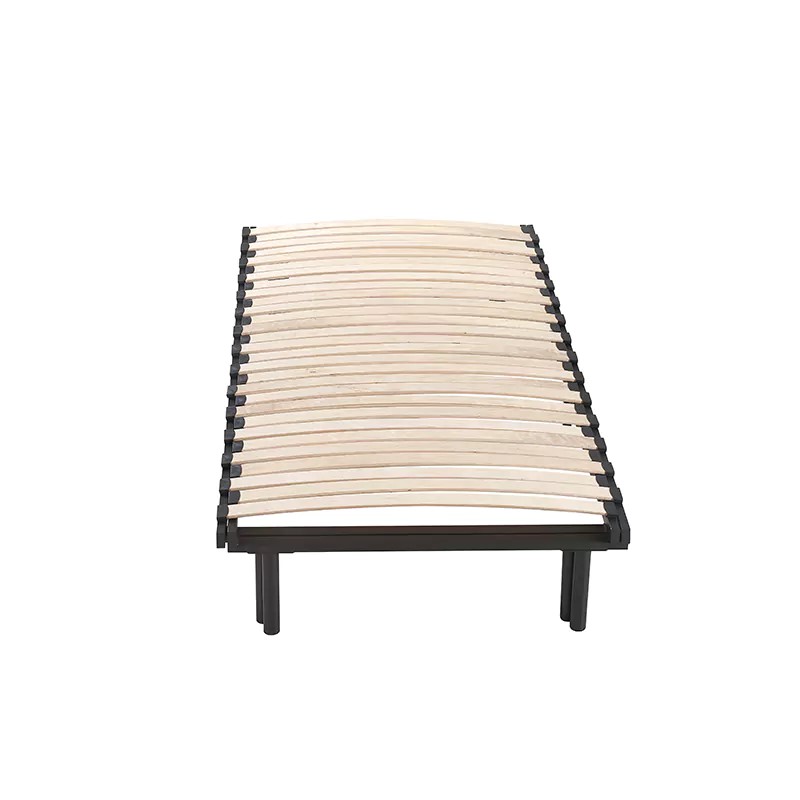
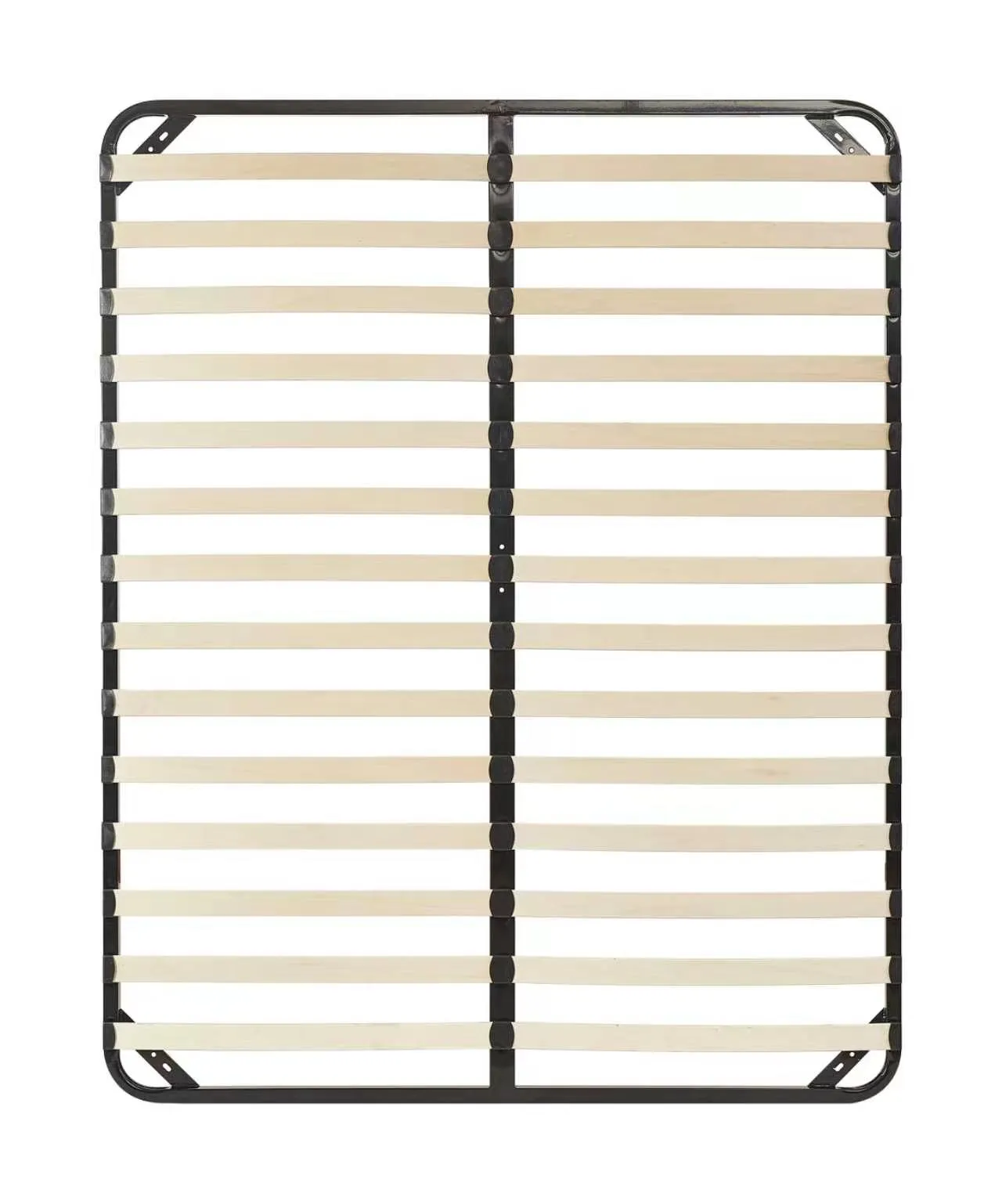
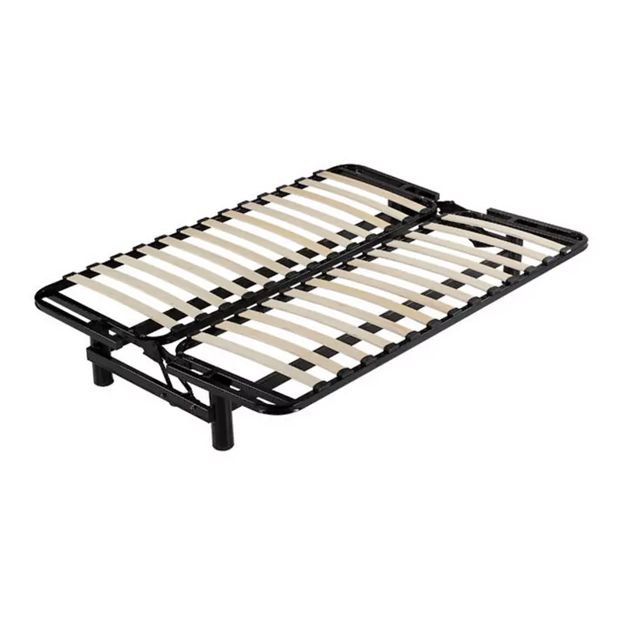
It plays this important role, in figuring out how strong and durable the folding bed ends up being. Using steel is pretty common for commercial purposes , because it helps make rigid frames while still keeping mass producibility in the picture.
You will need to ask the supplier about what steel type is used, the tube sizes and the wall thickness, plus how the welding is done and where the bed is reinforced. Powder coating can also be added, to improve resistance against corrosion and the constant wear and tear from everyday use.
Load Capacity and Stability
The loading capacity should be decided from the overall construction of the bed, not just from its separate parts. Customers are to ask about the loading capacity of the bed and also about details concerning static tests, cyclic ones, if possible.
The bed should stay stable while it is being used in the usual conditions, with no extra movements, deformations, or unnecessary sounds. Stability becomes especially crucial in hotels, hospitales, and other institutions, because the users can bring different loads, and different ways of behaving with the bed.
Folding Mechanism and Locking System
It is essential for the process to be user-friendly for hospital workers but at the same time incorporate some safety measures into it, because honestly people are busy. Also it is important that the lock feature works in a way that makes sure the bed cannot be moved or folded if the bed happens to be in its upright position.
Potential buyers should also take into consideration components such as the hinges and joints, plus safety locks, pins, and any other moving parts, even the small ones that are easy to ignore. Buyers can get additional information about inspections and replacement parts from their suppliers as well.
Wheels and Mobility
Most commercial folding beds are made to be moved when folded, so there’s that need for casters that are high quality. The buyer has to think about the wheel size, its materials, the weight capacity, whether there’s proper braking, and also how good it matches the kind of flooring.
Good casters will make the whole thing easier to shift around, while good brakes keep the bed from drifting during use. High quality wheels can also lower long term upkeep expenses in larger institutions, not just in small rooms.

Testing Requirements for Commercial Folding Beds
Testing is a very important component in any folding bed purchasing guide, since physical examination alone can never prove how well a product would work when used commercially.
Static Load Testing
A static load test determines the bed’s ability to withstand a specific weight, with no deformation or any kind of damage, and generally it’s done under a steady condition.
The buyers also need to make inquiries from the suppliers about what load is applied, how long that load is kept on, how the tests were actually conducted, and which standards were used during the test. Buyers should not just be content with the assumption that the bed is strong, because that kind of “believe it” approach is not enough.
Repeated Folding and Durability Testing
Opening and closing the product again and again can lead to some wear on hinges, joints, locks, and other movable parts. Durability testing lets you find weaknesses of your product, before you push it into mass production or whatever the big rollout is.
When you’re choosing a supplier, ask if they do repeated folding tests, and whether the test results can be shared or shown to you. This is particularly important for beds that get used all the time, like by hotel staff, or facility teams, the people that are there day after day.
Stability and Safety Testing
Testing should also check the bed’s stability while it’s actually being used. The bed has to remain stable during use, and the locking device should help reduce the odds of an accidental folding.
There needs to be an inspection process in place so that frames, fasteners, locking parts, wheels, and any other safety elements stay properly aligned before packaging, and shipment.
Surface and Corrosion Testing
Commercial folding beds will be exposed to regular cleaning, humedad, and transport. Por lo tanto, the chosen coating must possess adequate protection against wear and corrosion.
If the products will be used in a humid environment, coastal environment, or some other difficult environment, this information must be conveyed to the manufacturer beforehand. In this way, the appropriate material and coating can be selected for the product.
Supplier Questions Before Placing an Order
Supplier selection is not only about analysis of photographs and quotations. The team responsible for purchasing has to analyze manufacturing capabilities, uniformity of products, customizations, pruebas, envío, and after-sales services.
Does the Supplier Have Samples?
This will allow the buyer to examine the real product by seeing the frame, folding structure, lock, wheels, mattress, refinamiento, and workmanship.
For bigger orders, the approved sample will set the standard for mass production. Important variations between the approved sample and the final production must be clarified before confirmation of the order.
What Customization Is Available?
Commercial projects will need to consider bed size, mattress specifications, frame color, finalizar, castors, logo, embalaje, y accesorios.
You will need to ask your supplier which parts are customizable, if this will have an effect on the MOQ, tooling, lead-time, and unit cost. This is a critical element of a folding bed commercial buyer’s guide.
What Is the Production Capacity?
The capability of production should be considered while buying hundred or thousand units. The buyer may inquire about regular lead times, production capacity per month, production facilities, quality control process, and previous experiences with repeat commercial orders.
Just because an appealing quote is provided by the supplier does not mean that it is suitable for the business since the quality and quantity may be inconsistent.
Commercial Folding Bed RFQ Checklist
An RFQ will help suppliers give similar quotations and minimize the chances of omitting any crucial specification details.
Product Information
In the RFP, the following should be included: bed style, open size, folded size, mattress size, mattress thickness, frame material, surface finish, load capacity required, wheels and locking system.
In case there will be a need for a mattress, it is advisable to describe its characteristics rather than requiring a “standard mattress” only.
Quantity and Packaging
Provide an estimated quantity and mention whether repeat orders are to be expected. The packaging details should also be specified, consisting of individual packing, protective material, palletization, and loading of containers.
As folding beds have painted frames, movable parts, and wheels, the appropriate packaging becomes necessary to avoid any scratches or damages during transportation.
Quality and Testing Requirements
RFQ needs to clearly mention the load testing, folding cycle testing, dimensioning, coating, inspection, and quality level.
If any pre-shipment or third party inspection is needed, this must be conveyed prior to the production, so that it can be included in the quality control procedure by the supplier.
Commercial Terms
Such factors include the destination where the order is going to be delivered, the chosen Incoterm, delivery time, payment terms, samples, guarantees, and how long the price quote will be valid.
To make it more understandable when comparing the prices from different manufacturers, buyers may request the cost per piece of furniture – the bed frame, the mattress, accesorios, spares, packing, y personalización.
How to Compare Commercial Folding Bed Suppliers
Supplier selection must take into account factors such as quality of the product, manufacturing capacity, pruebas, personalización, entrega, and service, rather than concentrating on price alone.
Por ejemplo, one manufacturer could offer a lower price because they are using thinner material or simple wheels, whereas another could be providing a product that has a stronger frame and durable parts. The two products cannot be considered alike just because the sizes are similar.
A comprehensive folding bed purchasing guide should thus consist of advice on how to compare quotations using similar specification levels. Some other aspects that should be considered include the total cost of ownership, mantenimiento, spares, packing, and lifetime of the product.
Preguntas frecuentes
What should I consider when buying a commercial folding bed?
Consumers should consider frame type, maximum load, size of mattress, folding system, locking system, wheels, surface treatment, test performance, packing and post-sale service. Usage frequency and environmental conditions need to be taken into account before making an appropriate choice.
How do I choose the right load capacity for a commercial folding bed?
The maximum load should depend on the potential users and operating environment. It is better to request information regarding static and dynamic loads from suppliers instead of trusting just the technical specifications. It is also important to evaluate the whole frame structure and its components.
What testing should suppliers provide for commercial folding beds?
Some important information for testing includes static weight testing, repetitive folding cycle testing, stability testing, locking system testing, and surface or corrosion testing. In case of bulk commercial orders, the buyers are advised to ask for the testing process and results which can be examined prior to mass production.
What information should be included in a folding bed commercial buying guide RFQ?
The following information must be provided when issuing an RFQ for a hospital bed; namely, its dimensions, dimensions in folded position, mattress specifications, frame material, weight capacity, wheel specifications, locking specifications, packaging specifications, testing specifications, quantities, schedule of delivery, payment terms, and warranty.
Conclusión
Choosing the right commercial folding bed involves tradeoffs of longevity, security, ease of use, compactness, and overall cost. With clear specification criteria, testing process validation, proper supplier questions, and an RFQ, buyers can make better choices.
For more information on reliable commercial folding bed solutions and product options, visita cama plegable – Marco de cama Juyu to explore suitable models and specifications.