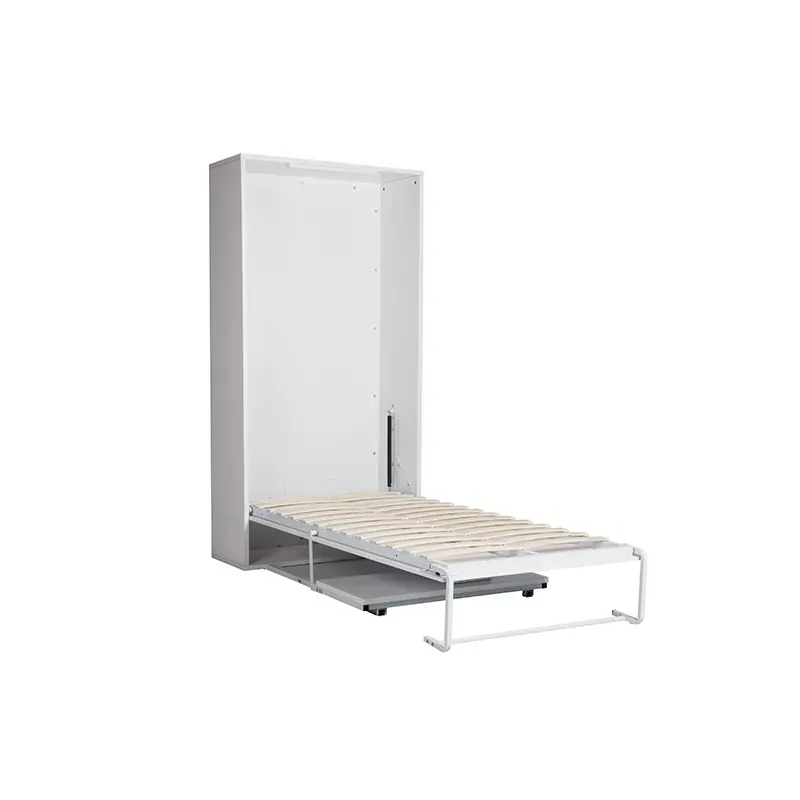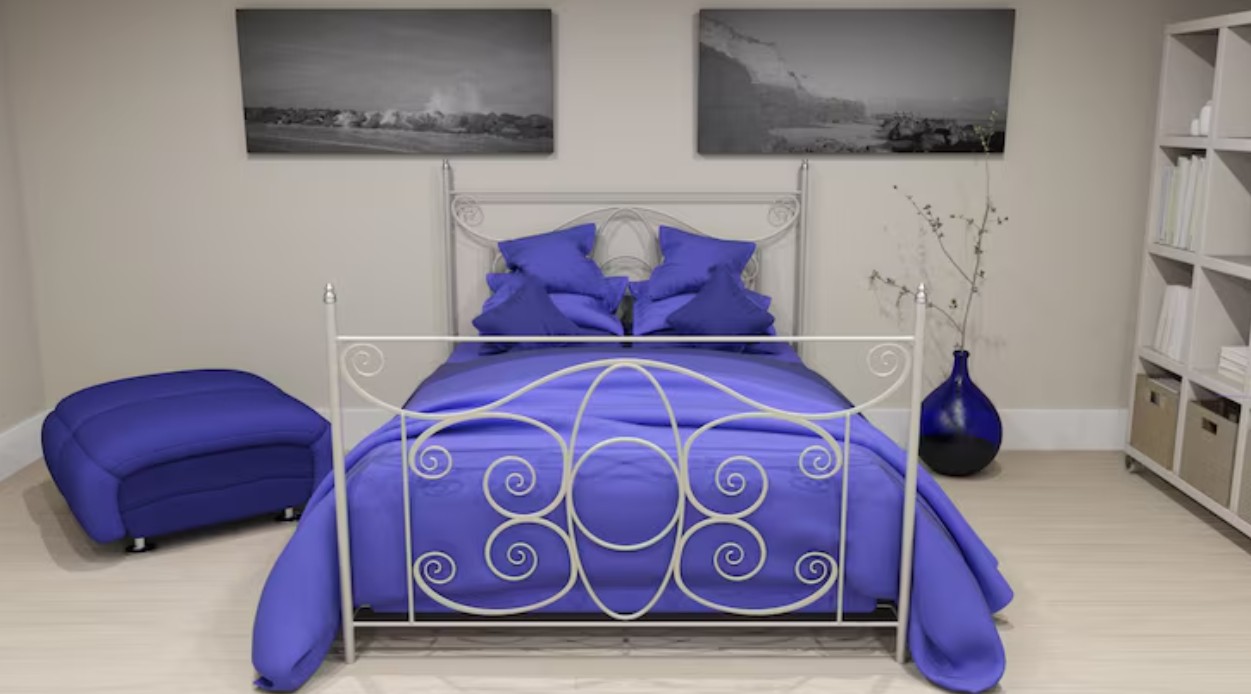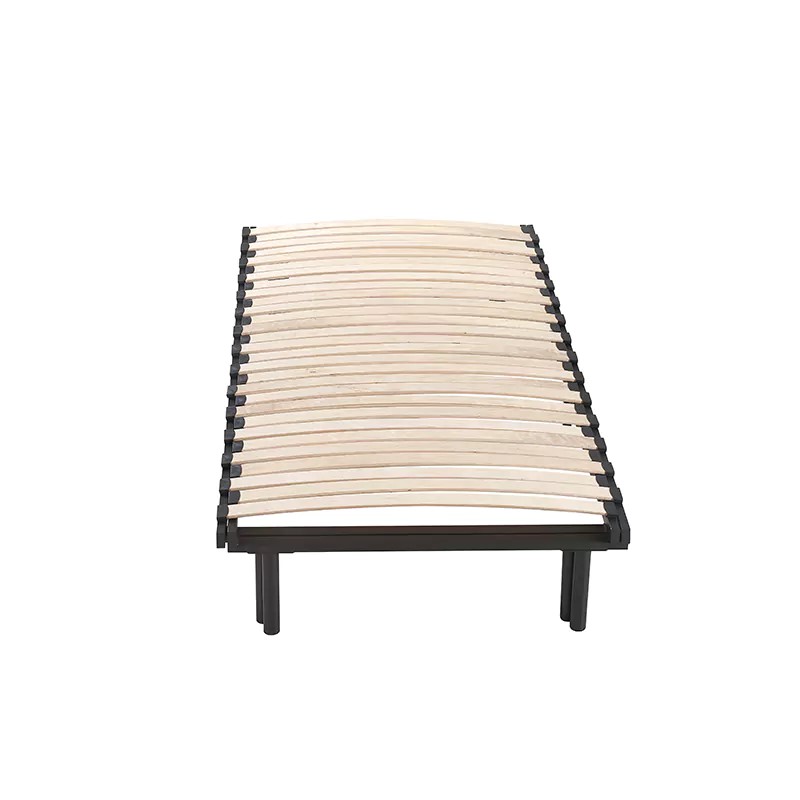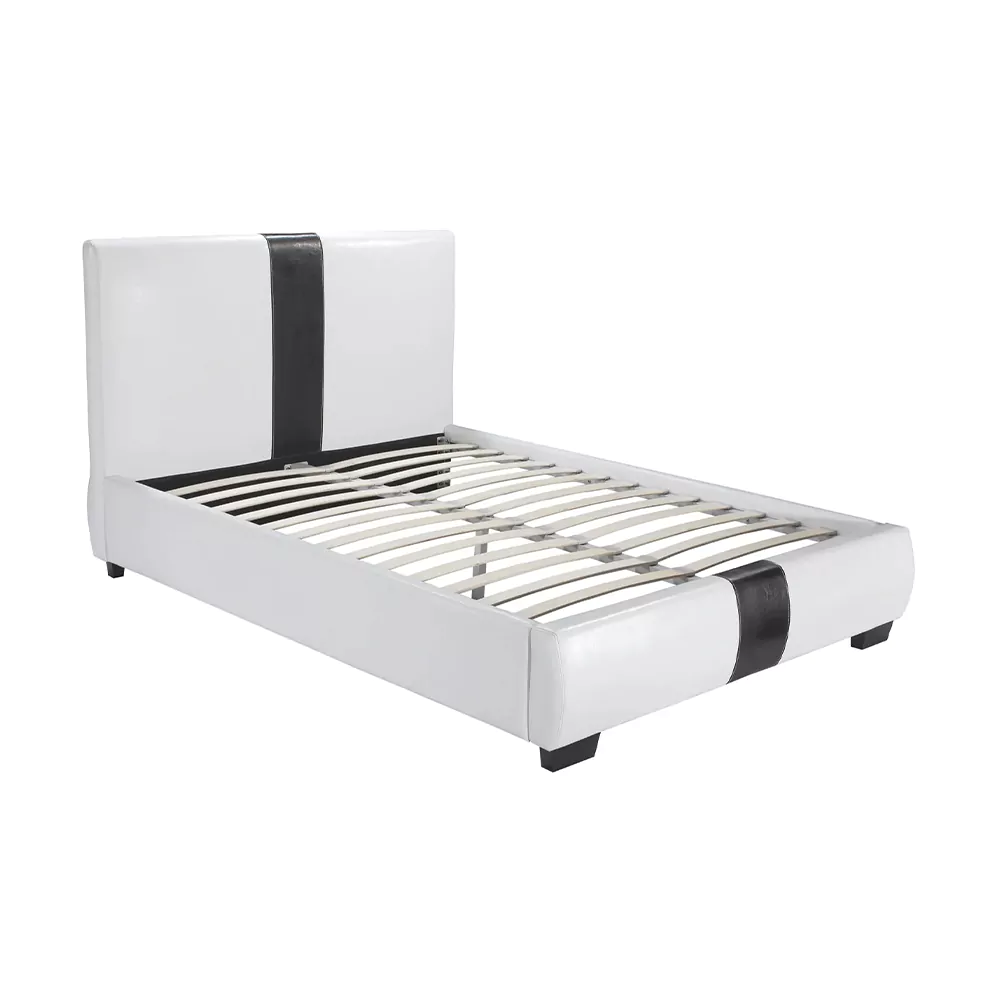
After a profound investigation in the structural performance, durabilidade, and assembly efficiency, it remains imperative to study materials, supply chain reliability, and strategic positioning for various types of acessórios de cama in business. Components such as iron brackets, parafusos, nozes, bed fittings, e bed feet play a crucial role in ensuring safety, funcionalidade, sustentabilidade, supply chain efficiency, and overall business viability. Understanding these heavyweight factors allows manufacturers and suppliers to transition from standard part providers to full-fledged solution partners. This article explores three core dimensions-his materials compliance and sustainability, supply chain reliability and customization, and the strategic evolution-while also putting the emerging market trend of tech integration under the spotlight.
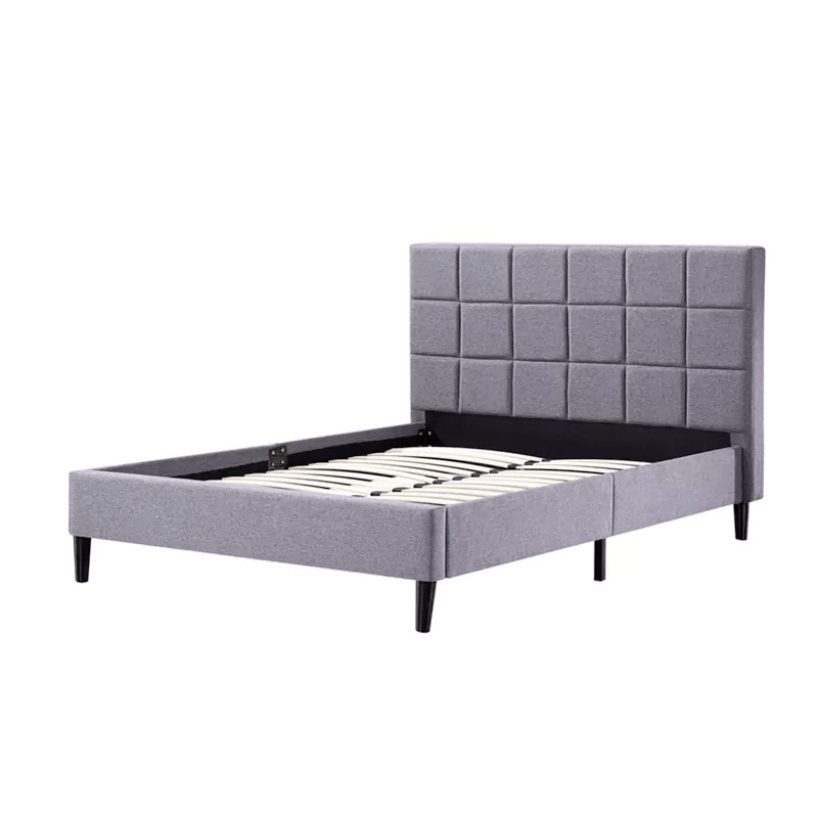
Material Compliance and Sustainability: Balancing Standards with Environmental Responsibility
Regulatory compliance and sustainable practices are no longer negotiable in today’s furniture sector. For companies supplying iron brackets, parafusos, nozes, bed fittings, and bed feet, material compliance ensures chemical safety, environmental certification, and lifecycle sustainability. Concentration on these aspects will not just ensure compliance but will also strengthen brand credibility and entice eco-conscious clients, thus presenting an opportunity to counter operational risks in either domestic or international arena.
Standards for Chemical Compliance and Safety
The materials that would be used to manufacture iron brackets and fasteners like bolts and nuts should also comply with international chemical safety regulations. Case in point: coatings and alloys are tested to avoid emissions of hazardous substances, rendering beds safe for either commercial or residential use. Meeting the requirements of standards such as REACH or RoHS demonstrates commitment to quality and safety of the end-user-interests that enhance reputation for a supplier whilst mitigating any risks garnered by way of recalls, regulatory fines, or liability claims thus enhancing long-term stability and reliability of their business.
Certified Sustainable Wood and Eco-Friendly Bed Fittings
Then, there are wooden or composite fittings that are combined with metal beds, as in most of them. It should preferably be certified wood under sustainable forestry programs to ensure resource use is responsible and durability. Sustainable wood as well as metal components will really reinforce iron brackets and the feet of the bed, while making sustainable wood products quite strong, seguro, and eco-friendly. This is what should finally satisfy the modern consumer who appreciates green products, restating the company’s commitment to responsible practices in manufacture.
Carbon Footprint Analysis and Circular Design
Companies dealing in bed accessories are kind of rushing to check and calculate the carbon footprints their production, transport, and end-of-life disposal have. Circular-design decisions allow the possibility of modular bed fittings, parafusos, and nuts that are independent from each other and bed feet that can be replaced and reused, refurbished, or recycled with better efficiency towards use of resources. This will reduce wastage, prolong the useful life of beds, and add value to consumers who are consciously aware of this sustainability aspect.
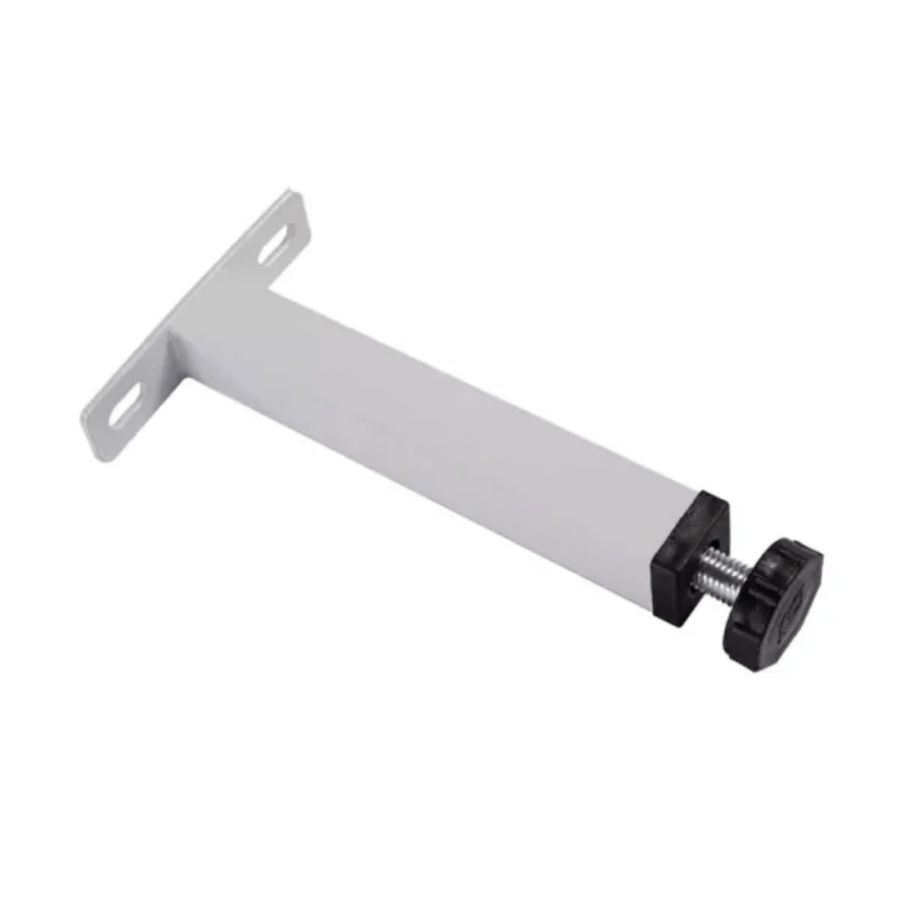
Supply Chain Reliability and Customized Services: Ensuring Consistency and Flexibility
The supply chains of bed accessory companies should be adaptable, predictable, and robust. Reliable delivery schedules from the supplier for iron brackets, parafusos, nozes, bed fittings, and feet are equally important to their quality design, as is inventory management and technical collaboration. As companies strive for greater supply chain reliability through optimization and customization, they also create a considerable competitive advantage while furthering strong stakeholder relationships and operational resilience.
Stable Supply and Inventory Management
Stable supplies will guarantee quality iron brackets and fittings, thus eliminating chances of production delays while gaining and maintaining customer loyalty. Managing inventories well entails regional warehousing with buffer stocks to facilitate the speedy fulfilment of orders while minimizing the risk for shortages. Any supplier who proactively manages stock while possessing the capability of forecasting market fluctuations will have an upper hand, more so in industries that must receive just-in-time input goods for smooth operations such as hospitality or healthcare.
Technical Collaboration and Custom Development
There is increasing demand for customized products from clients, which may consist of specific sizes, acabamentos, or configurations of bolts, nozes, or bed feet to suit unique bed designs. Suppliers willing to enter collaborative development with manufacturers can jointly adapt designs, improve cross-compatibility, and share technical resources to ensure that products work properly under agreed specifications. This collaboration unleashes the potential of innovation, enhances the quality of the end product, and brings about recognition to the suppliers as strategic partners, while separating them from simple commodity providers.
Regional Support and Digital Procurement Integration
Regional support networks facilitate better responsiveness in granting suppliers with the utmost efficiency in addressing the local market demands. In tandem with digital procurement platforms, suppliers will gain an opportunity for the business to manage ordering, shipment-tracking, and real-time inventories. Such integration allows for timely delivery of bed fittings, parafusos, nozes, and iron brackets with the added advantage of minimizing goods production downtime and earning client satisfaction. Digital tools incorporate predictive replenishment and usage analytics, providing further optimization for the supply chain and wooble-proofing a reliable and scalable business model.
Technological Integration and Smart Bed Accessory Solutions
The furniture industry increasingly embraces technology advancements to improve functionality and the customer’s experience. Evolving modern accessories for the bed also encompass smart solutions for enhanced functioning, monitoring, and adjustment. Through this integration, the companies can provide enhanced products in the market to stand out from a competition point of view while developing operational efficiencies.
Smart Design and Digital Manufacturing
Smart designs and digital manufacturing technologies allow for accurate fabrication of metal brackets, bed fittings, parafusos, nozes, and bed feet. Computer-aided design (CAD) and three-dimensional modeling ensure accurate tolerances with the least material waste and compatibility of components. This digital way offers mass customization with impeccable quality with an incredible turnaround time for suppliers to meet client specifications and market trend changes.
Sensor Integration and Performance Monitoring
Today advanced bed accessories are more likely to include sensors or monitoring devices to track usage, load, and wear in real-time. Load sensing feet are placed underneath beds, with an additional monitoring assess embedded in the bed fitting to measure stress or misalignment. Such functionality leads to predictive maintenance and prolonging service life and prevention of failure, thereby adding quantifiable value to commercial clients like hotel and healthcare facilities and other multi-use institutions.
Connected Supply Chains and Smart Inventory Management
Connected Supply Chains and Intelligent Inventory Management Technology now moves beyond products into the supply chain. Digital procurement platforms allow for the real-time tracking of products ranging from bolts and nuts to iron brackets and other components in order to ensure on-time delivery and optimal inventory. Predictive analytics are employed to detect trends and prevent stockout situations thereby enhancing response time and efficiency. This forms the connected supply chain bringing down operating costs for such businesses so that manufacturing enterprises can equally build faith in guaranteeing their customers on-time delivery of quality bed accessories.
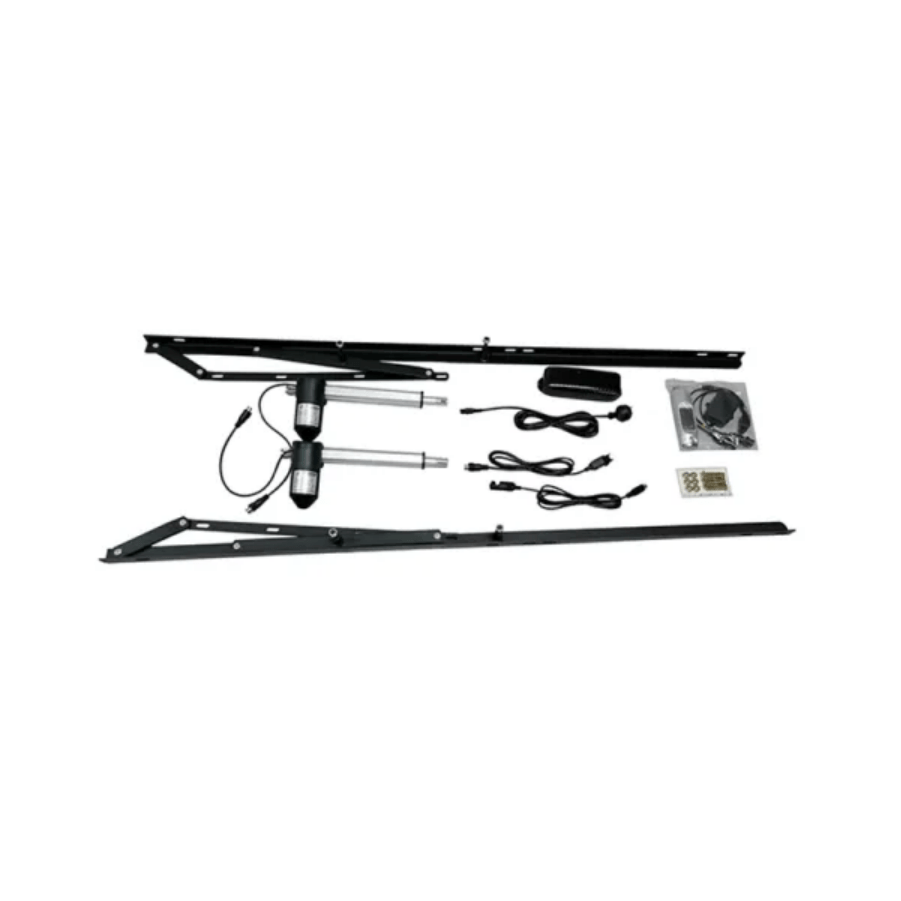
From Standard Component Supplier to Structural Solution Provider
Currently, a great transition is taking place in the status quo of bed accessory suppliers. Instead of merely supplying standard parts like iron brackets, parafusos, and nuts, certified companies are going to the realm of creating integrated structural solutions that add to the performance and safety of beds. By providing complete systems instead of singular components, suppliers add measurable value for both manufacturers and end users. These would include changes in value propositions; raising technical expertise and competencies; and considerably influencing client relationships. They are no longer simply vendors of parts, but linked with their customers as trusted partners providing comprehensive solutions addressing both functional and operational challenges faced by today’s modern furniture industry.
Shifting Value Focus
This value shift entails a movement away from selling isolated pieces and parts toward selling entire solutions that, when combined with bed fittings and bed feet, optimize structural performance. By offering integrated solutions, suppliers are able to charge a higher value, enhanced clientele confidence, and develop differentiation tools from the competition. Clients are now increasingly leaning toward suppliers providing system-level expertise as opposed to those merely taking part orders.
Elevated Professional Standards
Moving from a parts market toward the realm of solution-based offerings raises the professional and technical standards expected from suppliers. Knowledge of load distribution, material science, and modular design is essential to develop end-to-end solutions. Suppliers have to understand not just with working of individual components such as bolts and nuts, but of how these components interact with iron brackets, bed fittings, and bed feet to ensure safety, confiabilidade, and longevity. This increasing demand of professionalism puts the suppliers as a strong partner on any table of consideration.
Evolving Relationship Models
The change from building relationships on lifestyle transactions toward solution-partnerships creates more client interaction. The organization offers continuous technical support, tailored design, and integrated supply chain services. This relationship-and-trust-building ensures mutual cooperation, colaboração, and benefits through innovation, quality assurance, and operational efficiency between stakeholders. Such enterprises are recognized strategic partners in the furniture industry, no longer vendors of components.
Conclusão
What is brought forward in this issue is that for the companies making business in the premium and competitive bed accessory market, it is not only about supplying stand-alone components, such as iron brackets, parafusos, nozes, bed fittings, or bed feet. It is more than that; enterprises need to make sure materials fit and are really sustainable, develop and monitor reliable and customizable supply chains, integrate smart technologies, and change their business models from selling standard parts to providing full structural solutions. Suppliers have to bring in advanced materials, modular designs, collaborative development, and digital procurement platforms to add omnipresent value to operational efficiency and strengthening client relationships. For businesses and buyers looking to explore a wide range of high-quality, durável, and sustainable bed accessories, including iron brackets, parafusos, nozes, bed fittings, and bed feet, visitaacessórios de cama – Estrutura da cama Juyu. The website provides high-resolution images and product videos, showcasing practical applications and helping businesses make informed sourcing decisions.