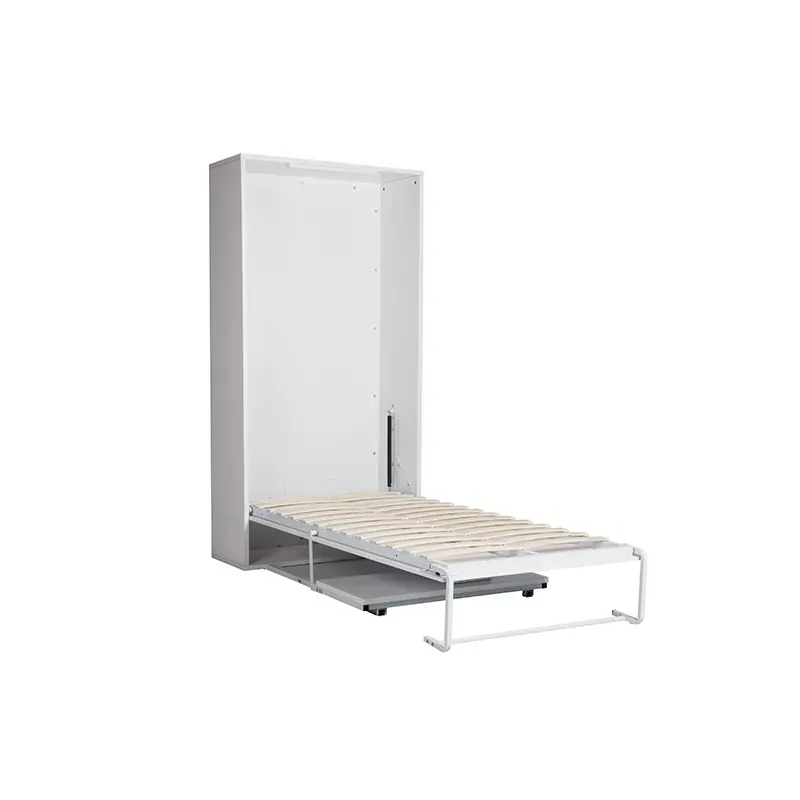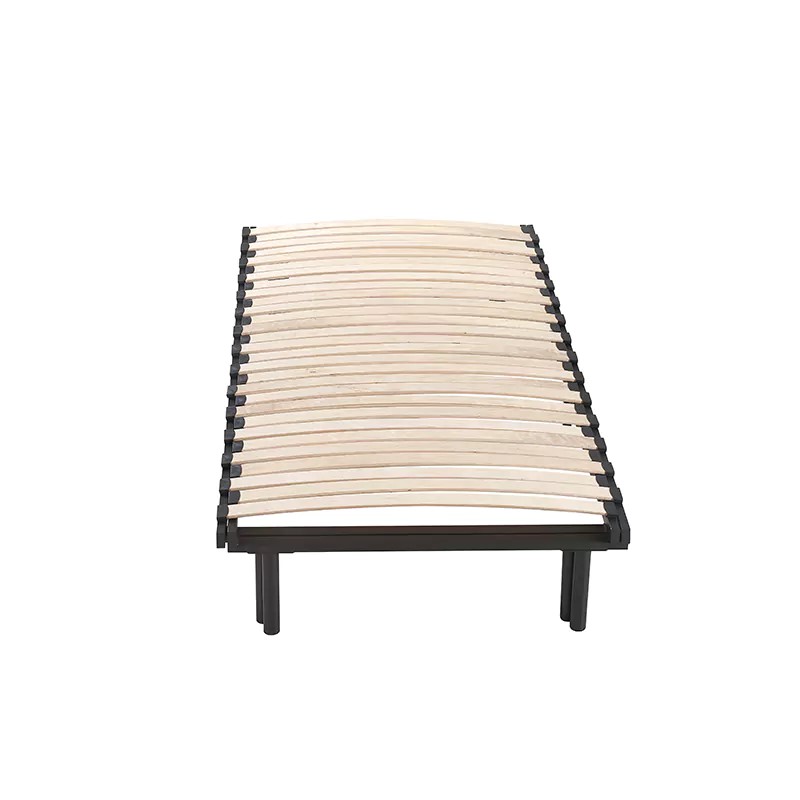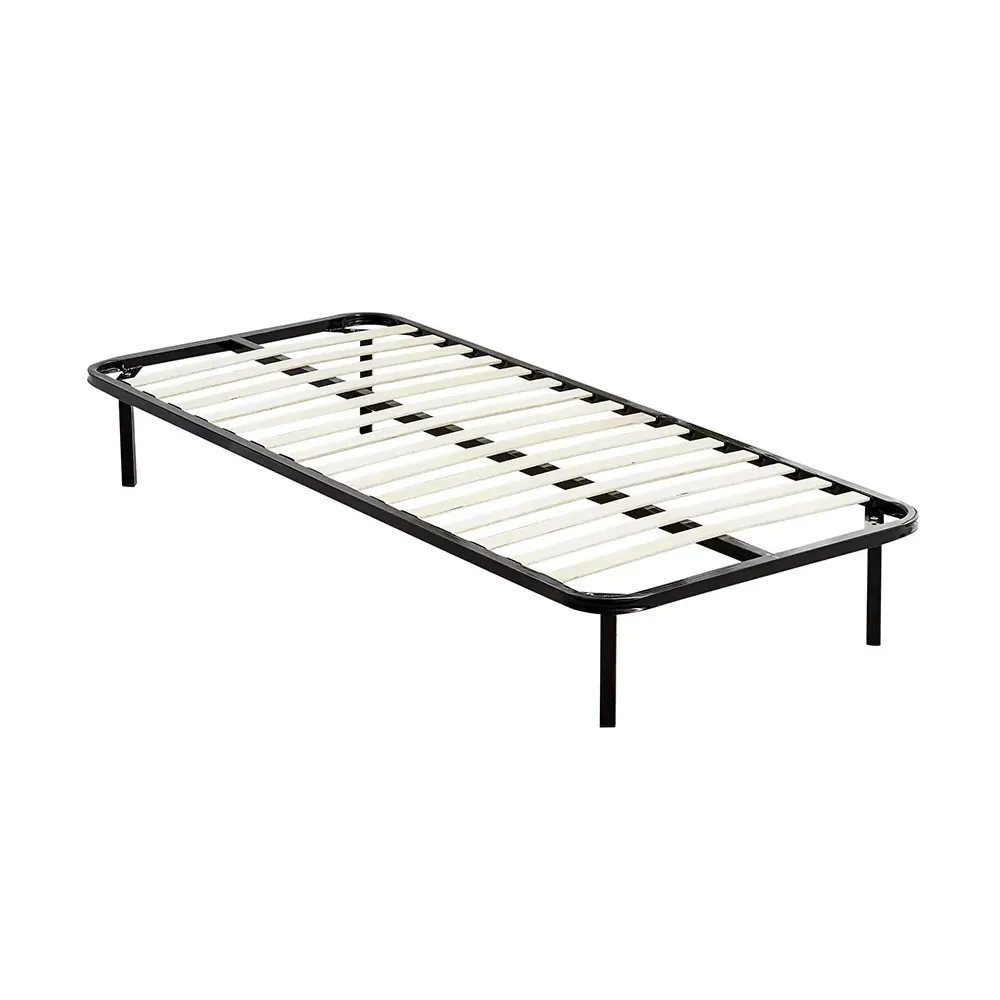
O fornecedor A cota US$ 35/pc, while Supplier B quotes at $37/pc.
Whom would you choose?
Na superfície, Supplier A is a better choice since its quoted price is $2 lower per bed frame. But seasoned B2B buyers understand that the quote of the supplier is not the entire purchasing price. Packaging volume, container load factor, shipment, quality issues, delay in delivery, etc.. can all influence your purchasing cost.
More realistically, we calculate:
Product Price + Embalagem + Container Load Factor + Shipment + Quality Issues + Other Costs = Purchasing Cost
Sometimes, the lowest quote is not the lowest purchasing cost. In procurement of armações de cama from China, it is wise to consider the total purchasing cost.
1. Start with the Supplier’s Unit Price
Unit price is essential; no entanto, it is only the initial step. Prior to comparing two quotations, ensure that both suppliers quote the same product with the same commercial terms.
Lower unit price could be associated with the usage of thinner steel, lesser accessories, different specifications or trade term. Without analyzing these aspects at the beginning stage, price comparison alone could create a wrong decision on purchase.
Before asking for quotation, verify if the price is offered on FOB or EXW terms. Além disso, ask what material is being used, what steel thickness is specified and if the price includes bed frames of the required size and configuration.
As well, it is equally vital to check packaging and accessories provided. Some suppliers will quote their offer on the basis of the main frame alone, whereas some may provide slats, hardware, screws and/or other accessories.
Finalmente, check if the price is based on a whole container.
2. Check the Packaging per Bed Frame
Not only are you purchasing bed frames but also paying for their shipping volumes and materials used for packaging.
The dimensions of packaging may greatly influence the number of bed frames that can be shipped at once in case we are dealing with large products. Por isso, two competitors selling comparable products may incur very different logistics expenses.
Here is a basic example:
| Cost Factor | Supplier A | Supplier B |
| Price | $35/pc | $37/pc |
| Volume | 0.12 CBM/pc | 0.08 CBM/pc |
| Carton | 150 pounds | 200 pounds |
While Supplier A’s unit is less expensive, its packed bed frame takes up 0.12 CBM, while the one from Supplier B takes up 0.08 CBM. The difference becomes important, especially if multiplied by the number of units.
The packaging materials are equally important. While the carton does not provide enough protection to the goods, it can result in scratches and deformation. No entanto, too much packing material will increase the volume and expenses for transportation.
Por isso, it is important for the purchaser to evaluate both the product price and carton size, structure of packaging, material of protection, and packaging weight.
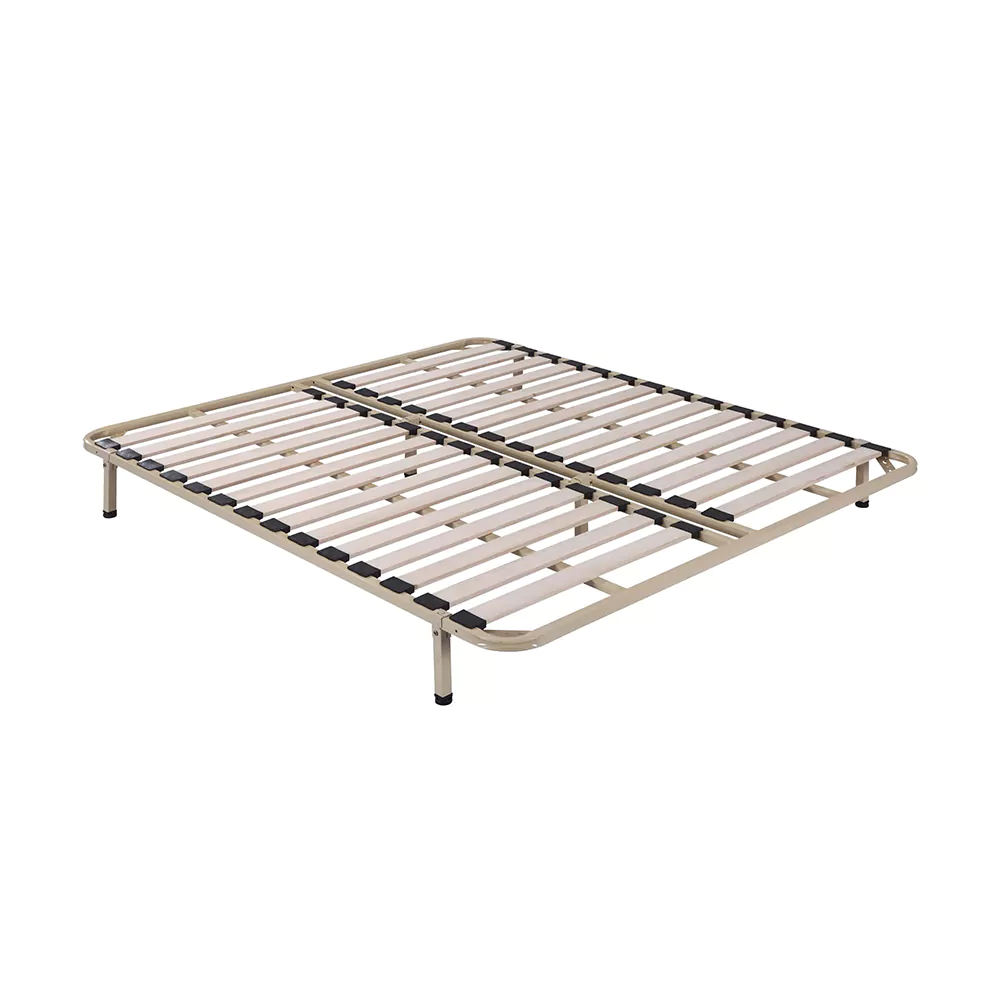
3. Calculate Your Freight Cost per Unit
After getting the factory price, the second task is the calculation of logistics costs.
What is not the price which the customer pays is not just the price which is provided by the supplier. The customer pays closer to:
Product Cost + Freight Cost
If the ocean freight cost for one container is $X, then the calculation is:
Freight Cost per Unit = Container Freight / Number of Units in Container
Por exemplo, if the ocean freight cost is the same, then while one supplier loads 400 bed frames in his container, another one loads 600 bed frames in one container. The freight cost allocated to each bed frame will be different.
That’s why the efficient loading of containers is so important.
The bed frames are bulky but light products. The transportation cost of this type of goods may largely depend on how well the container volume is utilized.
The supplier who provides higher product prices can become less expensive if he loads more units per container due to the more efficient package design.
Ask suppliers before ordering about CBM per unit and estimated loading quantity per container to calculate the freight cost more precisely than based on factory quotation only.
4. Don’t Ignore Quality-Related Costs
The purchasing cost does not only consist of the factory price and freight.
A quality problem will bring extra expenses even after the products have been delivered to your warehouse or to your clients. Typical problems may include such problems as welding problems, broken slats, missing parts, scratches, wrong dimensions, and damaged boxes.
Such problems will bring about such problems as:
- Replacement cost
- Return or refund cost
- Local labor cost
- Customer service cost
- Repacking cost
- Lost sales
- Negative reviews
For B2B customers, these costs can be especially problematic because one single bad batch might affect not only the current order but also customer relations and future sales.
Por exemplo, if the bed frame costs $35 but needs to be fixed locally, new parts ordered, repacked and additional customer service provided, then the actual cost of this product becomes much higher than $35.
This gives rise to the following purchasing rule:
$2 cheaper bed frame becomes much more expensive if the quality is inconsistent.
Por isso, buyers must take into account quality control, inspection, production regularity, and after-sales service when determining the actual purchasing cost.
5. Consider the Cost of Delivery Delays
No entanto, price is not the sole financial issue; time itself can be costly.
A typical B2B supply chain could look like this:
Order -> Manufacturing -> Delivery -> Warehousing -> Sales
And if manufacturing delays are at 15 para 20 dias, then its influence can reach the whole supply chain. It means that delivery delay could cause a shortage of products, promotion delay, delay in order execution, expensive additional shipment, or simply losing an opportunity to sell.
Of course, timing can play a crucial role for distributors and retailers in cases where inventory is planned according to some seasons or promotions.
It doesn’t mean that the supplier with the shortest lead time is the most preferable one, but a buyer has to estimate if the supplier is able to offer a reliable lead time.
Reliability of lead time is also a part of purchasing value.
For B2B purchasers, a reliable delivery schedule is usually more valuable than a little bit cheaper price per unit.
6. Check What Is Included in the Quotation
Before making comparisons between suppliers, it is essential to ensure that one is comparing the same level of supply. There are many aspects under which a quotation should be analyzed.
Produto
The material, steel thickness, dimensions, capacidade de carga, and accessories must be checked. It makes no sense to compare prices between two suppliers that provide different steel standards and have different components.
Embalagem
The carton size, the packing way, protection material, and presence of pallets must be discussed. They influence both the protection of the product and container utilization.
Commercial Terms
Find out the type of the quotation, which is either EXW or FOB, as well as MOQ, payment terms, and manufacturing lead-time. The same unit price does not necessarily imply the same purchasing cost due to various trade terms.
Serviço
Sample provision, spare parts, quality control, and after-sales service must be considered. Even though these services are not directly incorporated into the unit price, they will help you minimize losses from possible product quality problems.
The key concept here is straightforward:
Compare alike things with alike things.
If one vendor gives you a quote that offers cheaper prices yet produces thin metal sheets, bigger cartons, lesser accessories, or poor service, then there is no comparison between the two quotes.
7. Calculate the Real Landed Cost
Following analysis of product, embalagem, freight, quality and commercial considerations, the buyers can come up with the real landed cost of the bed frame per bed frame.
The formula can be as follows:
Real Cost per Bed Frame
Real cost = product cost + freight + import cost + local cost + quality/service cost
The calculation in case of an importer of bed frames from China could be as follows:
supplier price + china inland/export cost + ocean freight + import duty & taxes + port/customs/local cost + warehouse/delivery cost + qualidade & after sales cost = real landed cost per bed frame
In this way the basis of comparing suppliers is made much more useful.
In other words, while Supplier A may be quoting $35 and Supplier B may be quoting $37, depending on larger packaging of Supplier A (that is, less units per container) and higher damage ratio (por isso, higher cost of replacement and servicing), the cost to be paid by the buyer for getting the product may be higher even in case when the quotation is lower.
Portanto, Supplier B can have higher quotation but lower real landed cost.
This is the number that should be of concern to procurement managers.
8. Compare Suppliers Based on Total Cost, Not Just Price
With the identification of all major costs in hand, consumers may progress from basic quote comparison to actual purchase decisions.
Let us look at an example.
Supplier A
- Lower unit price
- Larger packaging
- Fewer units per container
- Higher damage rate
Supplier B
- Slightly higher unit price
- Smaller packaging
- Better container utilization
- More stable quality
Na superfície, Supplier A seems to be more competitive due to its low quoted price. Yet, ultimately the outcome of the purchase decision will depend on how all these parameters influence the cost per each sellable unit.
The right way to think about this is not to ask:
Which supplier has a lower quote?
Instead, it is better to ask:
Which supplier provides you with lower costs per sellable unit?
This is particularly true when it comes to distributors, atacadistas, varejistas, etc.. – business-to-business (B2B) customers that generate their profit margin from the difference between the cost and revenue after logistics, handling, qualidade, and delivery expenses.
A supplier that quotes slightly higher prices may still be more competitive due to its better packaging, higher container utilization, better quality, and consistent delivery.
9. A Simple Checklist Before Ordering Bed Frames from China
Before placing your order, please use the following list of criteria to ensure the quotation offers sufficient information for proper comparison purposes.
Produto
- Unit price
- Technical specifications of product
- Thickness of steel
- Material used
- Dimensões
- Weight load
- Accessories included
Embalagem
- Size of packed items
- CBM per item
- Carton size
- Packing technique
- Materials used for protection
- Use of pallets
Commercial Terms
- Loading quantity per container
- Freight cost
- EXW / FOB
- Minimum Order Quantity
- Terms of payment
- Production time
- Import cost
- Cost of local delivery
Qualidade & Serviço
- Quality control process
- Sampling process
- Guarantee/spare parts
- Inspection of quality
- After sales service
This information allows the buyer to go beyond the price quotation and estimate the cost of transporting and selling the bed frames.
Without being able to compare these criteria, you are comparing prices but not costs.
Perguntas frequentes
What is the real cost of buying bed frames from China?
The true cost will be more than just the price per unit from the supplier. It is important to take into account product cost, embalagem, container utilization, freight cost, importation cost, local cost, quality related cost, and after sales cost.
Why is container utilization important when buying bed frames?
Bed frames are bulky but light in weight and hence the volume of packaging will have an impact on the efficiency of the shipping process. A supplier who uses small but efficient packaging can fit many bed frames in one container and hence reduce the cost per unit for freight.
Should I always choose the supplier with the lowest unit price?
NO. A lower quotation does not automatically imply that the purchasing cost is also low. This is because the cost involved in handling and transporting such materials will be higher owing to such factors as inefficient packaging or poor delivery reliability.
Conclusão
The best price for a bed frame does not always mean that the FOB price from Chinese suppliers should be the lowest. The optimal purchasing strategy will include evaluation of the following factors: especificações, embalagem, containerization, transportation, qualidade, lead time, and after-sales costs.
Professional bed frame manufacturer will assist you to evaluate not only product price but overall cost and sourcing risks as well.
Looking for a bed frame supplier in China? Contate-nos to discuss your product requirements and container loading plan.